Tag: 2024

  • Why Should I Take Part in No Mow May?

    Why Should I Take Part in No Mow May?

    Why should I take part in No Mow May?

    Published May 4th 2024
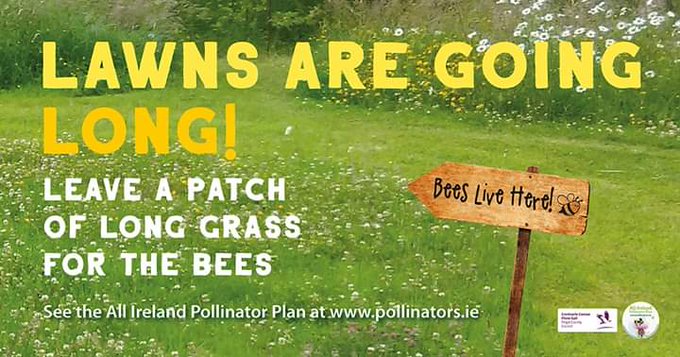


    No Mow May is an annual campaign started by Plantlife in the UK, asking everyone to put away the lawnmower during the month of May to help our native wildlife. The All Ireland Pollinator Plan endorsed this campaign in Ireland to encourage these changes in Ireland and it has grown in popularity from year to year. 


    Many of us are already taking steps to support local ecosystems, whether by stocking bird feeders in winter, providing water for thirsty hedgehogs, leaving wood piles for insects, or minimising garden lighting at night. For those with an interest in gardening, planting choices can greatly enhance biodiversity and support wildlife. This has led to the popularity of wildflower seed mixes, which are readily available at supermarkets and garden centres. These mixes promise to transform your garden with a vibrant array of flowers, delighting not only your human visitors but also crucial pollinators. However, despite their appeal, these commercial solutions are not the panacea for the growing pollinator crisis we hope for. In light of this, No Mow May is the better option when it comes to introducing wildflowers and pollinator friendly plants into your garden. 


    Why are wildflower mixes problematic?


    You might imagine a pollinator-friendly wildflower meadow as an aesthetically pleasing mix of the most beautiful flowers from across the world. An image sold to us on commercial wildflower mixes. A study by Dr. Noleen Smyth at UCD examined the contents of seven popular wildflower seed mixes from four major retail outlets. These packets were chosen because they were labelled as promoting “wildflower,” “meadow,” or “biodiversity.” Out of the 56 species listed, only 14 (25%) were native to Ireland, and the packaging provided no information about the origin of the seeds, leaving the provenance of many uncertain. Most of the species, 44 (78.5%), originated from various parts of Europe, while 12 (21.4%) came from continents like Asia, Africa, and North America. Common flowers in these mixes included Cornflower, Corncockle, Borage, and Pot Marigold—none of which are truly native to Ireland. And importantly, Corncockle is toxic to most livestock. 


    Native Irish plants and pollinators have coevolved, making them ideally suited to provide mutual benefits in terms of nectar and pollen. Introducing non-native species can threaten biodiversity. When used inappropriately, seed mixes filled with non-native plants might diminish genetic diversity, potentially disrupting local ecosystems, and reducing abundance of the crucial naturally occurring wildflowers.So, buying a packet of random seeds that claims to enhance “biodiversity” is not the answer. The best way to support our pollinators, without risking any extra destruction to the local environment, is to avoid seed mixes and just allow native flowers to emerge. There are different options to choose from when making space for native pollinator friendly plants. The All Ireland Pollinator Plan has a handy guide to make the best choice for you. 


    Let native flowers grow – put down the seed mixes. 


    While some of the plants in wildflower mixes can provide some nectar, they require extensive management and do not sufficiently support the early developmental, or larval, stages of pollinators. Native fine grasses and plants like nettles are essential for the larval stages of various butterfly species, including the Peacock, Red Admiral, Comma, Painted Lady, and Small Tortoiseshell. The caterpillars of these butterflies feed on these plants, and although adult butterflies may not be as selective about native versus non-native flowers, their caterpillars rely exclusively on native vegetation. Certain butterflies, like the Marsh Fritillary, depend entirely on specific native plants such as Devil’s Bit Scabious; without it, they could face extinction.


    Why does the coevolution of pollinators and flowers matter?


    The phrase “save the bees” is widely used, but its meaning has become somewhat diluted or largely misunderstood. Anyone who is familiar with the diversity of bee species might ask; which bees are we talking about and in what environmental context? In Ireland alone, there are 100 bee species, including the honeybee, 21 species of bumblebee, and 78 species of solitary bee. Each species has unique survival requirements, depending on the specific flowers they pollinate and the habitats they are found in. 


    Why does each species have unique needs?


    The structure and feeding mechanisms of all bees (bumblebees, solitary bees and honeybees) are critical to their ability to gather food. One of the most important parts limiting a bee’s ability to gather pollen and nectar is the shape of their tongue! Tongue length differs across bee species and influences their ability to extract pollen and nectar from the broad range of flower shapes. The adaptations in tongue shape reflects the evolutionary history of bees to their floral environments, enabling them to exploit different ecological niches and contributing to the pollination of a wide range of plants, which is crucial for biodiversity and agricultural productivity. Honeybees have a proboscis that is a complex structure including a tongue that is tubular and hairy, helping them lap up nectar. Bumblebees also have a long, hairy tongue that they use to dip into flowers but show a significant variation in tongue length, ranging from quite short to very long, depending on the species. Longer-tongued bumblebees tend to specialise in flowers with deep floral tubes, such as foxglove and honeysuckle, while shorter-tongued species may visit a broader range of shallower flowers. Solitary bees have mixed tongue shapes and sizes that are closely tied to the flowers they specialise in pollinating. Given that 78 out of 100 bee species found in Ireland are Solitary Bees, this means that we have many bees specialised to collect nectar from our native flowers and not the unpredictable array of flowers offered in supermarkets. The answer to help our pollinators does not come in a package over the counter, it’s already in the ecosystem. Learn more about Ireland’s Solitary Bees here.


    Examples of differences between bee species in Ireland


    Some bees are generalists, meaning they can access nectar from a broad array of flower types, allowing them to thrive in diverse environments, due to the medium length of their tongue, like the Common Carder Bee. In contrast, specialised species such as the Great Yellow Bumblebee, with its long tongue, extracts nectar from deep or tubular flowers that are beyond the reach of shorter-tongued bees like common bumblebees. So, the Great Yellow Bumblebee is found in habitats with deep flowers as they don’t have to compete as much with the shorter tongue species. 


    In Ireland, the Great Yellow Bumblebee is limited to specific habitats like the coastal and species-rich meadows of Belmullet, Mayo. This type of habitat has largely disappeared across Ireland due to habitat destruction and commercial development. Belmullet is a critical refuge for the species, but its survival hangs in a delicate balance, vulnerable to even a single severe storm. Learn more about the Great Yellow Bumblebee here.


    The Shrill Carder Bee is primarily found in the Burren, an area known for its diversity of native Irish wildflowers and species-rich meadows, making it an ideal environment for these bees. They thrive in well-connected, diverse habitats that allow them to forage effectively. Unfortunately, these habitats have been declining across Europe due to agricultural intensification, urbanisation, and habitat fragmentation, leading to a significant decline in their populations. The Shrill Carder Bee can thrive in this habitat due to the floral abundance and diversity and low intensity agriculture. Learn more about how to protect this rare species here.


    So Why No Mow May?


    The naturally occurring native plants that emerge in early Spring and Summer in Ireland are the best source of nectar and pollen for our bee species. As mentioned above, native bees in Ireland evolved alongside the native flowers and plants. So the best way to support them is to let the native plants grow.


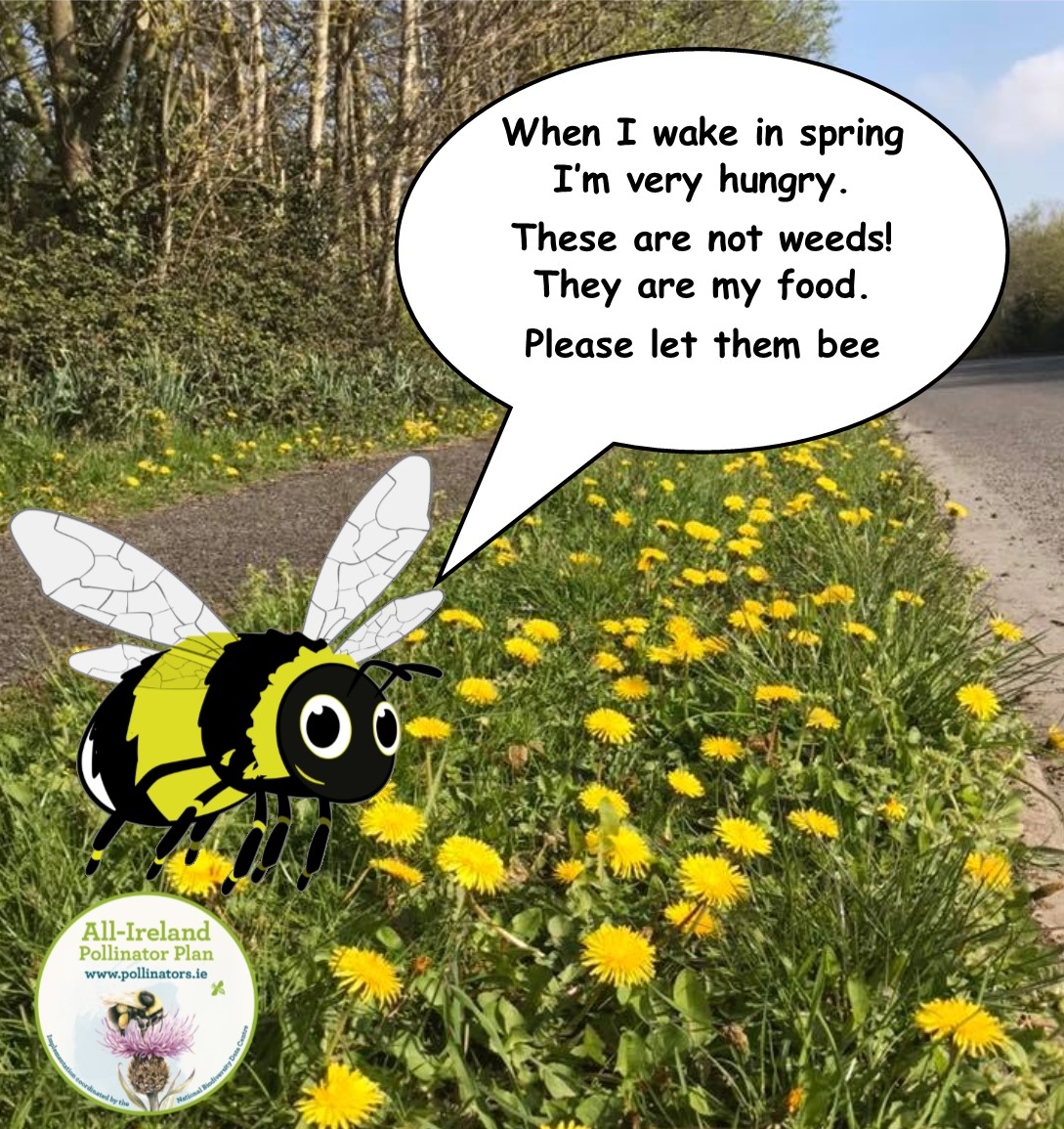
    Dandelions are particularly important for many types of bees, including honeybees, bumblebees, and solitary bees. Dandelions are some of the first flowers to appear as we transition from winter to spring. So, they emerge at a time when few other plants are blooming, providing a critical food source for bee populations recovering from winter. The structure of dandelion flowers is such that they are accessible to bees with various tongue lengths, making them a universal food source for many bee species. So, resisting the urge to mow every dandelion in sight can be a lifeline to hungry bees needing nourishment to survive the transition to spring. 


    Instead of sowing wildflower seed mixes with uncertain contents, it’s crucial to prioritise the management and restoration of native meadows. The seeds needed to nourish our pollinators are already in the soil, ready to bloom. Frequent lawn mowing shreds these vital food sources, wasting essential natural resources meant for our local wildlife. Allowing native plants to emerge—and recognizing them as valuable rather than dismissing them as “weeds”—can help us appreciate what our landscape naturally offers. If we begin to see the beauty in our indigenous flowers and grasses, both we and our pollinators would benefit greatly. Instead of constantly moulding our gardens to fit our aesthetic preferences and introducing non-native plants that may harm our local ecosystems, we can start mending our relationship with pollinators and the broader environment.


    If you value our work, please consider supporting us by becoming a member

     

  • Connecting With Nature

    Connecting With Nature

    Connecting With Nature

    by Kieran Flood

    Published July 10th 2024


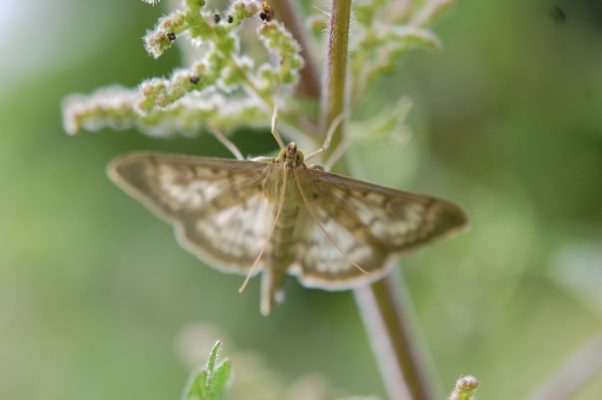
    Mother of Pearl Moth


    Taking time to connect with nature is a valuable exercise for our wellbeing and for nature too. Most of us feel a sense of belonging and joy when we spend time in nature. This is sometimes referred to as biophilia and it is commonly recognised to be beneficial for our wellbeing. 


    One way to create a regular opportunity for yourself to spend time in nature is to partake in nature recording citizen science projects. This will help you to stop and really look at or listen to what is around you. The feature article in our latest issue of Irish Wildlife Magazine (to get your copy, join IWT today) by Bat Conservation Ireland covers some volunteering options for citizen science, including bat surveying. Bat surveying is a unique way to engage with nature as it involves spending time outside at dusk and after dark – a magical time when nocturnal animals are more active and our ears tune into noises in the dark. In this article we will look briefly at an important daytime citizen science action you can easily carry out in your back garden or local park – the Flower-Insect Timed Count  or “FIT Count”.


    The FIT Count is a survey designed to monitor changes in abundance of pollinating insects by recording the number of insects visiting flowers. Pollinating insects are dependent on flowers as their source of food. For example bees take both the sweet nectar and the protein rich pollen of flowers to feed themselves and their young back in the nest. One of the best ways to spot pollinators is to stop and look at the flowers themselves. The plant-pollinator relationship is one that evolved slowly over time and while observing pollinating insects you will invariably learn more about their relationship with plants, getting a glimpse into the connectedness of the networks making up our biosphere.  


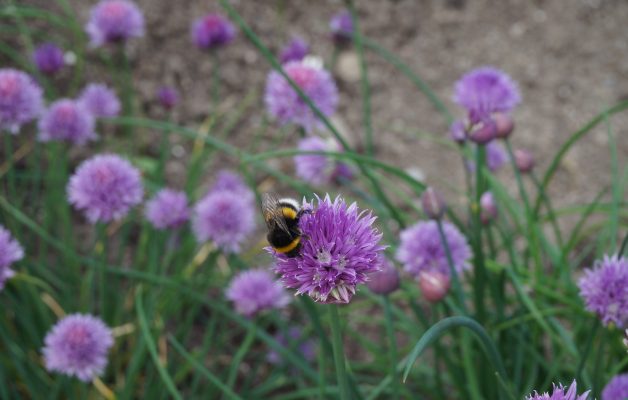
    White-tailed bumblebee on Alium


    The FIT Count survey is being run by the National Biodiversity Data Centre, who also run the All Ireland Pollinator Plan. FIT Counts are very simple to do, you just observe a patch of one of the target species of flowers for 10 minutes and count how many insects visit. You do not need to identify the insects visitors down to species level – you simply  record the number of insect in each broad group e.g. bumblebees, butterflies & moths and beetles. The target flower species are Dandelion, Buttercup, Hawthorn, Bramble, English Lavender, Common Knapweed, Heather, Hogweed, White Clover, Red Clover, Ragwort, Thistle, Buddleja, and Ivy.  Below are some instructions on how to engage. 

    • FIT Counts are open to everyone
    • You can do a 10-minute FIT Count at any time between the 1st April and the 30th September
    • Your location can be anywhere e.g., garden, farm, park, school, business site
    • You don’t need to identify the insects to species level, but only to tally within broad groups e.g., bumblebee, butterflies & moths, wasp, beetle


    You can record your finding using an app or a paper form. For access to the app and form and for more details visit the survey webpage here https://biodiversityireland.ie/surveys/fit-counts/


    In one way the survey is a simple and enjoyable experience in observing nature but it is also a powerful data collection method helping us learn about changes in pollinating insect numbers over time. Why not take ten minutes to step outside and connect with nature while helping important conservation research? 


    The Irish Wildlife Trust is a partner organisation of the All Ireland Pollinator Plan 2021-2025.


    The Irish Wildlife Trust is a funded by the Heritage Council


  • EU wide campaign launched to end destructive bottom trawling in protected areas

    EU wide campaign launched to end destructive bottom trawling in protected areas

    EU wide campaign launched to end destructive bottom trawling in protected areas

    Press Release

    April 24th 2024


    A new report, co-authored by Marine Conservation Society, Seas at Risk and Oceana looks at destructive bottom trawling in 7 EU Member States’ marine Special Areas of Conservation (SACs) and urges the European Commission to ban bottom trawling in Marine Protected Areas.

    This report uses Global Fishing Watch data which pulls the information from vessels Automated Identification Systems (AIS) systems to see how much fishing is happening within protected areas. AIS is only required in vessels over 15m in length and this system can also be turned off. With these data it’s been found that 4.4 million hours of apparent bottom trawling has occurred in SACs in these 7 Member States between 2015 – 2023 and damaging fishing is still taking place in 90% of offshore EU SAC’s.

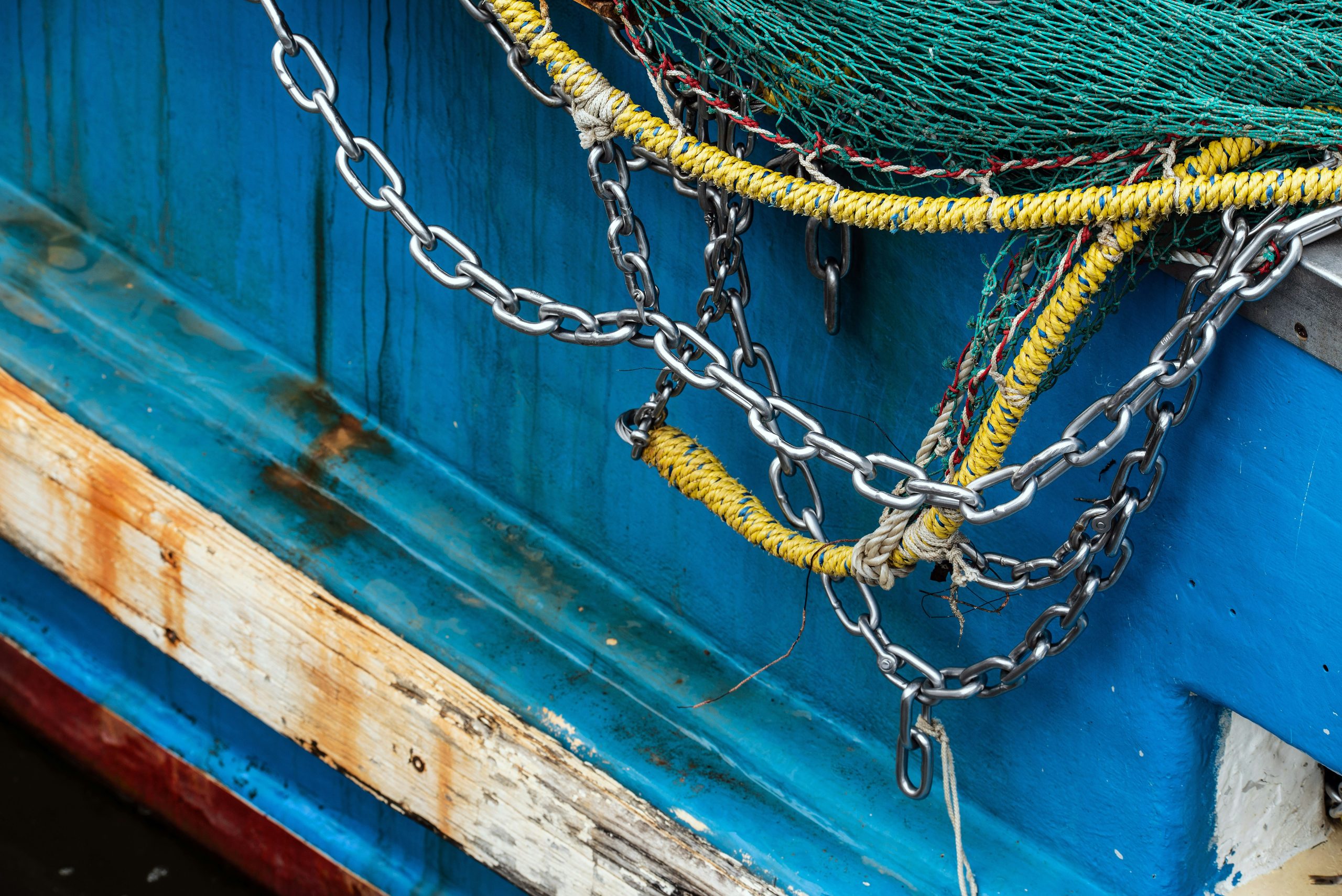
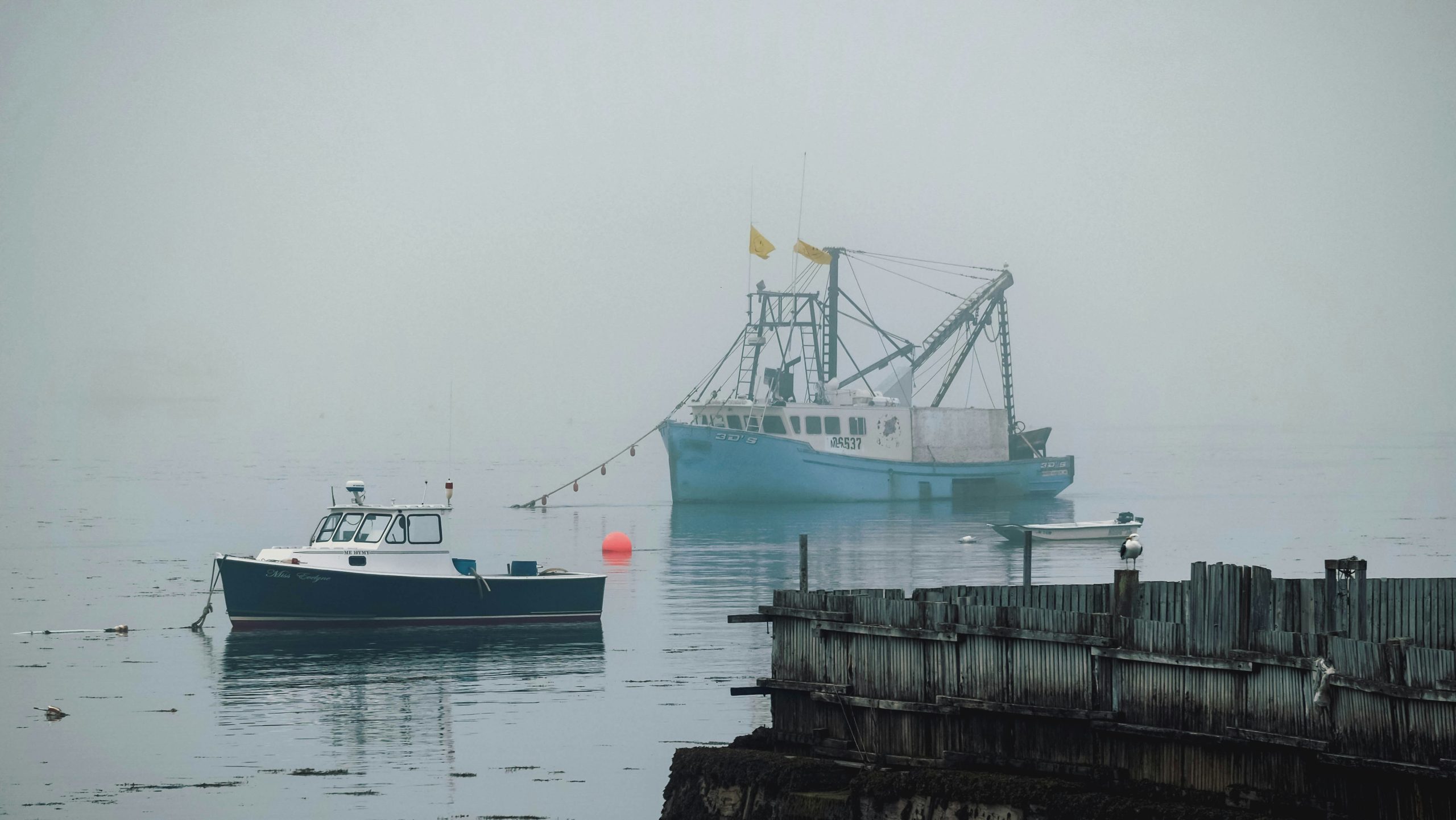
    Bottom trawling is a fishing method that involves one or more boats pulling heavy fishing nets along the ocean floor in an effort to catch fish and other marine species. It is one of the most destructive fishing methods, resulting in ecosystem loss, the release of carbon stored in the seabed, and high levels of bycatch and fish discards (92% of all EU fish discards come from bottom trawled catches). This negatively impacts both the sustainability of fish populations and the fishing industry itself, especially small-scale and low-impact fishers that account for 80% of the active European fleet and 50% of jobs in the sector.

    Ireland’s Results

    Ireland’s results don’t paint a pretty picture for the management of our protected areas as bottom towed fishing overlapped with over 4,000km2 of ‘protected’ Irish seabed. While the report only looks at 144 marine SAC’s (Ireland has 112 marine Special Protection Areas (SPAs) which were not looked at in the analysis) it was shown that over 19,000 hours of destructive fishing has occurred within these areas between 2015-2023.

    135 (94%) of these areas are inshore areas and the analysis doesn’t take into account smaller vessels which are also bottom trawling (including dredging which is a practice used in different forms of aquaculture such as razor clams). So the amount of destructive trawling within these areas is vastly underrepresented. Saying this, it still still shows that there is a clear lack of management within our protected areas.

    EU Fisheries Action Plan

    The EU Marine Action Plan asks countries to set out national roadmaps to ban bottom trawling in MPAs, starting with those with ecologically important seabed features by the end of 2024, and across all MPAs by 2030. Last week Greece announced that it will ban bottom trawling in all it’s national parks and marine protected areas. Member states were due to submit their EU Action Plan roadmaps by the 31st of March 2024. Ireland has not submitted their roadmap and they have not replied to any correspondence from the IWT asking for information on the progress and content of these roadmaps. While these roadmaps are not legally binding, the failure to provide them to the European Commission shows a lack of ambition at effectively protecting our MPAs.

    Grace Carr, Marine Advocacy Officer said, ‘Bottom trawling is the most destructive form of fishing. It destroys the seabed, is completely indiscriminate in what it catches and the levels of bycatch are staggering. We only have 9.4% of Irish waters designated as ‘protected’ and yet destructive fishing still occurs within these areas. Bottom trawling should be banned within all MPAs and the IWT stands behind the call to EU leaders to take tougher action against EU countries that still allow bottom trawling in their protected areas. We are asking Irish leaders to start putting better management plans in place for inshore fisheries so that small scale fishers can make a sustainable living and we can see the end of this outdated damaging practice.’

    Ireland has a rich culture of fishing which spans generations. If we want this aspect of Irish life to continue, we need to start looking after the waters around us and the species within it. Bottom trawling destroys ecosystems, ruining opportunities for biodiversity to thrive and for the fishing communitie to make a living. It has no place in any Marine Protected Area.


    CONTACT:
    Grace Carr, IWT Marine Advocacy Officer, grace@iwt.ie

  • EU Member States Backtracking On Nature Restoration Law Undermines Democratic Process

    EU Member States Backtracking On Nature Restoration Law Undermines Democratic Process

    EU Member States Backtracking On Nature Restoration Law Undermines Democratic Process

    By Grace Carr

    Published March 28th 2024

    A very disappointing turn of events has happened over the past week in regards to the NRL. The Council should have completed the final rubber stamp of the law on Monday. This is usually just a formality as intense negotiations had already taken place and an agreement reached with the Council being a negotiating partner on the final text. However, this didn’t go ahead.

    A last minute U-turn by Hungary deciding that they no longer accepted the law meant that the number of Member States approving the text totalled 64.05% of the total EU population. A law needs 65% of the EU population at Council level to pass. Many Hungarian MEPs voted in favour of the law in the final Parliament vote at the end of February and so this change of heart from the Hungarian representatives in the Council is a political move looking towards the EU elections approaching and the projected wins for right leaning parties.

    Other Member States opposing the law are Sweden, the Netherlands and Italy with Finland, Austria, Belgium and Poland all abstaining.

    Cesar Luena the rapporteur on the NRL has stated that failing to respect institutional negotiations and agreements will lead us down a bad path and the EU Environment Commissioner Virginijus Sinkevicius has stated that this will undermine the EU’s international credibility and that the current stalemate raises serious questions about the coherence and stability of EU decision making.

    NGOs are calling on the Belgium presidency of the Council (they are in this role until June 2024 when Hungary will then take over) to get the file back on the agenda and ensure its adoption. While this isn’t the end yet, things are not looking good for the Nature Restoration Law. We must continue to make noise about this and not allow it to die a silent death by political games and backroom politics.


  • EU Nature Restoration Law – A Deep Dive

    EU Nature Restoration Law – A Deep Dive

    EU Nature Restoration Law – A Deep Dive

    Published: March 14th 2024

    Author: Grace Carr, IWT Marine Advocacy Officer.

    First Published by Fair Seas.

    Here we look at the recently passed EU Nature Restoration Law (NRL) and what it means for life in the ocean. In this blog we look at the marine targets within the NRL. A hard campaign was fought to ensure the NRL was passed however, some elements have become watered down by those in opposition to it. Below we analyse whether those elements that made it into the final law are a good or bad result overall.

    On the 27th February 2024 the EU Nature Restoration Law was passed by the EU Parliament. This law was first proposed by the European Commission in 2022 to restore 20% of EU land and 20% of EU seas by 2030. The Birds and Habitats Directives came into place around 30 years ago to protect vulnerable ecosystems and species but with over 80% of EU habitats in bad ecological condition, unfortunately what we’ve been doing so far hasn’t worked. It is now not enough to simply protect areas, we must also put in place measures to restore ecosystems back to their natural state.


    The law has been extremely contentious since it was first proposed. There has been a great deal of misinformation spread on the law with the goal of scaremongering the public, particularly farmers and land owners. However, even with a targeted attempt to derail the law, over 1.1 million EU citizens signed a petition supporting the law and sent letters to their representatives. Ireland had the 3rd highest number of signatures per capita within the EU and we’d like to thank everyone who took the time to support the #RestoreNature campaign.

    Agricultural targets are what the majority of the debate was over, but not much has been said about the marine and freshwater targets. Some very exciting and ambitious amendments made it through for the marine space. These provisions are going to be very important when it comes to managing Marine Protected Areas.

    Marine Targets in the NRL

    The NRL splits marine habitats into seven groups. Areas that are within Natura 2000 sites,Special Areas of Conservation (SACs) and Special Protection Areas (SPAs) will be prioritised up until 2030.

    These seven marine habitat groups are;
    Seagrass beds
    Macroalgal forests
    Shellfish beds
    Maerl beds
    Sponge, coral and coralligenous beds
    Vents and seeps
    Soft sediments (above 1000m of depth)

    For groups 1 – 6, restoration measures must be in place on at least 30% of the areas not in good condition by 2030. This will increase to at least 60% by 2040 and at least 90% by 2050 of the area of each group.

    Group 7, Soft sediments (above 1000m of depth), is considered a widespread ecosystem as it covers more than 3% of a Member States territory and therefore it will be subject to a lower threshold to be determined.

    Member states have two years to draft their national restoration plans and within these they must quantify what percentage of soft sediments above 1000m are not in good condition.


    Member states must also put in place measures to re-establish the habitat types (1-6) in areas where they have been lost. This is with the aim to reach their favourable reference area which must take into account records of historical distribution of the habitats and the projected changes which are expected due to the changes in environmental conditions due to climate change.

    There is also a list of species included in the law and member states must put restoration measures in place to ensure the habitats these species are found in are improved, in addition to the previously mentioned thresholds. This includes reestablishing them and enhancing connectivity. The text states that restoration measures must have ecological coherence between habitat types and take into account the specific ecological requirements of the species that occur within them.

    Good or Bad result?

    Many of these points are a good result for marine ecosystems. Ensuring that Member States quantify the percentage of soft sediments above 1000m which are not in good condition within their national restoration plans is a good result. However, these habitats having a lower restoration threshold then others is not as ambitious as we would have liked.

    Data Collection

    Member states must ensure that by 2030 the latest, the condition is known for at least 50% of the area of habitat types 1-6. By 2040, 100% should be known. For group 7, 50% should be known by 2040 and 100% by 2050.

    Good or Bad result?

    A problem which is faced not only in the EU, but worldwide, is the lack of scientific data on natural ecosystems. This lack of data has allowed for the degradation of our natural world to occur with the reasoning being, well we don’t know if it will cause any damage, so let’s carry on with business as usual.

    While the precautionary principle should be applied to these situations, it is more often than not ignored. Having it written within the law that data collection on habitats must be conducted and included within Member States national restoration plans is a good result for nature. It will help ensure further progression in conservation, not only through the NRL, but through other environmental and climate legislation.

    Deterioration of restored areas

    Many Non-Governmental organisations (NGOs), including Fair Seas partner the Irish Wildlife Trust, fought hard to ensure that a provision stating that restored areas must remain in good ecological condition and not deteriorate was included.

    In the end, this was included in the final text, however, the language used was watered down. The final wording states that ‘Member States shall put in measures which shall aim to ensure that areas which have reached good environmental condition, do not significantly deteriorate’. This watered-down wording allows for some deterioration to occur within areas and also allows for the success of measures to be more effort based rather than results based.

    Another important point to make is that the non fulfilment of restoration targets is justified if it is caused by a plan or project which has overriding public interest or is authorised within the habitats directives. This means that plans such as renewable energy developments can still occur within protected areas and restored areas, thereby disturbing the habitats found there. It also states that Member States may exclude areas for restoration which are used for activities with the sole purpose of national defence.

    Good or bad result?

    Ensuring that once an area is restored that it remains in good ecological condition is not only best for the environment, but also best for the economy. Investing in restoration measures in areas and then allowing those areas to deteriorate over time doesn’t make a lot of sense.

    We hope that Member States will ensure that this doesn’t happen even though the law allows for some deterioration. We would also have preferred the law to ensure that results were more important than just efforts as this can leave loopholes for Member States to pass on accountability.

    Offshore Renewable Energy (ORE) developments are also exempt from adhering to measures within areas of restoration. We hope that Member States will take into account the importance of biodiversity in the fight against climate change and only have co-location of ORE developments and ecologically important restoration areas as a very last resort.

    National Restoration Plans

    Member states will have 2 years to put together their national restoration plans. Within these two years they must carry out the necessary preparatory monitoring and research needed to identify measures that are needed to meet the targets.They must also make sure to take into account the latest scientific evidence and decide on areas which are most suitable for the reestablishing habitats in view of the projected environmental changes due to climate change.

    Plans for member states to reach their 2030 renewable energy targets should be mapped in coordination with nature restoration plans, as to avoid conflict between the two objectives.

    Public participation will be a very necessary component while drafting the national restoration plans. Member states should promote a fair and cross- society approach in the preparation of their national plans. We plan to work closely with Government and civil servants to ensure a strong and ambitious plan is achieved. We need a plan which will not only restore our marine ecosystems but also ensure an inclusive and just transition for all involved.

    Funding

    The NRL does not make it an obligation for Member States to redirect funding under the Common Fisheries Policy or other fisheries funding programmes under the multiannual financial framework 2021-2027.

    Private and public schemes to support implementation of restoration measures should be included within the national restoration plans. The Commission will have 12 months to present a report assessing funding gaps and where appropriate have proposals for adequate measures, including financial measures to address the gaps identified without prejudging what will be included in the next multiannual financial framework after 2027. Advocating for appropriate funding for restoration measures as well as a just transition will be vital for the success of the Nature Restoration Law.


    Fisheries

    There is a specific article within the law which is aimed at the coordination of restoration measures across Member States by utilising the tools provided in the Common Fisheries Policy.

    EU vessels have the right to fish in other EU members’ marine areas, however, if this area is important ecologically then conservation measures should be put in place. These measures are called Joint Recommendations under the COmmon Fisheries Policy and they are decided between the Member States involved.

    In the past decade there have been very few Joint Recommendations submitted by Member States. The NRL asks that estimated timelines for consultation and submission of Joint Recommendations are included within their National Restoration Plans. They must take into account the deadlines for the restoration thresholds and be submitted no later than 18 months before the respective target date. If this date is not reached then the Commission may step in using the tools provided within the Common FIsheries Policy.

    Good or bad result?

    This is a big win for marine conservation. Coordination across Member States in marine conservation has been poor in the previous decades, but this law now sets in place timelines for conservation measures to be put in place in shared waters. It’s important to acknowledge that industries which have no emotional or cultural connection to an area and are there purely for short sighted economic gain, should not obstruct a nation’s efforts to protect and restore their marine environment. We have high hopes that this part of the NRL will create better management across our fisheries sector.

    So what next?

    One final step must happen where the EU Council signs off on the law. This should happen in April and is usually just a formality. Once this happens the drafting of restoration plans can begin. So while the Nature Restoration Law is not as ambitious as the initial proposal back in 2022, it is still a significant step forward in conservation. There are parts which we wish were stronger but throughout the negotiations compromises had to be made to get the law over the line.

    This is a law which will not only help nature, but also help in the fight against climate change. These twin crises are two sides of the same coin and must be acknowledged and worked on together. The socioeconomic benefits for people will also carry on for generations. Ensuring healthy seas helps ensure sustainable jobs and vibrant local communities far into the future.

    With this new EU legislation passed, it is time that our government puts in place our National Marine Protected Area (MPA) legislation. Both laws will complement each other and ensure better management of our protected areas.

    There is no time to lose. Work must begin on Ireland’s National Restoration Plans and strong MPA legislation needs to be published by government so that new MPAs can be taken into account while drafting the plan.

  • Bottom Trawling in the EU, the UK and Ireland

    Bottom Trawling in the EU, the UK and Ireland

    Bottom Trawling in the EU, the UK and Ireland

    The marine environment as well as the fisheries sector face a number of issues such as biodiversity loss and climate change as well as challenges arising from political matters like Brexit. Ensuring that marine ecosystems are restored and protected effectively will not only preserve the incredible habitats and species that are found in the EU but it will also help to safeguard marine food systems so they can continue to provide goods and services to EU citizens.

    The EU Fisheries Action Plan : What has happened so far

    Last year the European Commissions released a package of 4 reports on the state of EU fisheries. One of these was the EU Action Plan: Protecting and Restoring Marine Ecosystems for Sustainable and Resilient Fisheries.

    This Action Plan aims to achieve a more consistent approach in the implementation of the EU’s environmental and fisheries policies and to show that EU Member States will act on the promises which they have agreed at EU and international level, including COP15. This Action Plan would help the EU deliver on the EU Biodiversity Strategy of protecting 30% of EU seas by 2030 and having 10% designated as strictly protected. The Action Plan asks Member States to put together national roadmaps highlighting their progression towards hitting these targets and the actions highlighted within it. One of the actions in the Commission’s Action Plan is to phase out bottom trawling in marine protected areas designated to protect the seabed by March 2024 and phase out bottom trawling in all marine protected areas by 2030. The deadline for these roadmaps is March 2024.

    However, on the 18th of January, the Members of the European Parliament (MEP’s) in Plenary approved a report from the PECH Committee which backtracks on many of the actions highlighted in the Marine Action Plan in regards to destructive fishing practices. This report was drafted exclusively by the fisheries (PECH) Committee without input from the environmental (ENVI) Committee and the report’s recommendations are worrying. The report labels bottom trawling as a ‘sustainable’ fishing practice which goes against established scientific evidence showcasing the damaging impacts this practice has on the marine environment as well as negatively affecting climate change mitigation. It states that bottom trawling can be compatible with achieving seabed conservation objectives and that the effect of trawling is variable. We feel that these recommendations go against science and against plans to halt marine biodiversity loss.

    The latest from the UK

    On the 31st of January the UK announced several new measures to protect its marine environment. They have banned bottom trawling on reef and rock habitats within 13 MPA’s totalling an area over 4,000km2. The UK’s total marine area protected from bottom trawling is now at 12%.

    This is a harsh reminder to us here in Ireland, that we are far behind when it comes to effectively protecting our maritime area. Last year a ban on vessels over 18m trawling within 6 nautical miles of the coast was lifted and has still not been reinstated. Currently none of our MPA’s have bottom trawling explicitly banned in their management plans. Last year around 2km2 was closed in Dundalk Bay to bottom trawling but this is nowhere near enough to protect and restore our important seabed habitats and the species which rely on it.

    What can Ireland do?

    We call on the Irish government to complete their fisheries roadmaps for the EU Marine Action Plan in time for the March deadline. Within this roadmap there should be clear actions which can be implemented so we can start reducing our footprint on the seabed and phase out bottom trawling. Ecosystem and climate Impact Assessments should be conducted on Irish fisheries to assess the impact of different fishing practices on carbon sequestration, Co2 emissions, level of bycatch of non-target species and seabed integrity. We are still waiting for the national MPA legislation to be released and within this there should also be a clear and ambitious management framework for MPA’s stating what will be protected, how it will be protected and which government agencies will be in charge of monitoring and implementation.

    If you would like to take action to protect and restore our marine life sign Fair Seas petition now calling on the Irish government to enact a strong marine protected area law without delay https://only.one/act/30×30-ireland