Tag: bee

  • The Ashy Mining Solitary Bee

    The Ashy Mining Solitary Bee

    The Ashy Mining Solitary Bee

    What is a Solitary Bee?

    Solitary bees are much more common in Ireland than bumble or honey bees. They don’t live in big colonies or have a social system with a queen.


    Where do They Live?

    They simply make their own nests inn hollow stems or they make tiny holes in soil, sand or peat and live underground.


    What do They Eat?

    Solitary bees are very picky about what they will eat as they can’t fly as far as honey bees to find food because of their size. They mostly eat the nectar of wildflowers or and fruit trees. This is why it is important to let the wildflowers in your garden grow.


    How to Identify Them

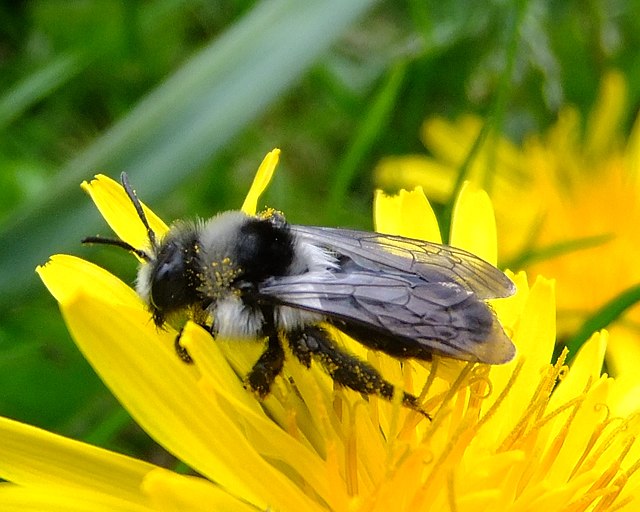
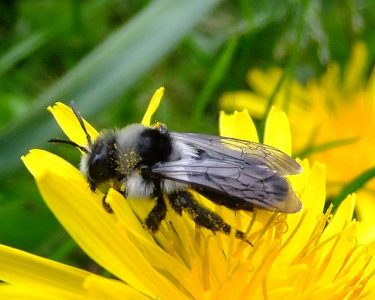
    The ashy mining bee is the same size as a honey bee, with black and grey or white hairs. They sometimes look like an ant with wings because of the shape of their b0dy.


    Make a Bee Hotel!

    You will need:

    -wooden  box

    -bamboo canes or dried, hollow flower stems

    Fill your wooden box with the stems or bamboo horizontally , making sure they are tightly packed together. Place your hotel in the sunniest spot of your garden, and you’re done!  You will know they’re being used  if the holes are being covered by a small circle cut out of a leaf.
     

    Find out more on: https://www.wildcare.co.uk/blog/solitary-bees-8-facts-to-know-plus-an-identification-resource/             https://pollinators.ie/record-pollinators/bees/solitary-bees/
  • General Knowledge on Bees

    General Knowledge on Bees

    General Knowledge on Bees

    Honeybees can recognize and remember human faces, to them we look like strange flowers. They can build respect and trust with people they remember! Bees are also very capable of showing love and affection.

    Bees are also self-aware animals, meaning they are aware that they are bees, which not all animals are intelligent enough to know. They can also have emotions! For example, when a bee escapes a spiders web “her demeanor changes, for days after she will be scared of every flower” says Lars Chittka, a German Zoologist. In other words they can go through emotional distress, just like humans.


    Why Do We Need Bees?

    Bees are essential to our everyday lives. Without them the majority of our plants could not be pollinated, meaning plants could not reproduce and we would not be able to grow crops. Although bees seem like such a small part of our world, and you probably don’t think about them all that much, without them we could not survive.


    How Do We Save Them!

    The two biggest reason our bee numbers are struggling are habitat loss and pesticides. To combat this we can stop using pesticides, in our own gardens at home and on farmland. We can also plant pollinator friendly flowers like lavender, foxgloves, sunflowers, rosemary and crocuses, but most importantly let the wildflowers in your garden grow.


    Ancient Beliefs

    The Celts believed that bees were messengers between this world and the afterlife.  A bee seen after a death signified that the soul had left the body. Overall seeing a bee was a good omen and some believed that it meant good news was on the way.


    There is an ancient Celtic tradition of “telling the bees” which meant the beekeeper families had to tell their hives when there was a major changes in the family like a death or birth, this showed a sign of respect to the bees and you would stay on their good side.

    Find out more on:   https://en.wikipedia.org/wiki/Telling_the_bees

    https://en.wikipedia.org/wiki/Bees_in_mythology

  • Northern Dark Honey Bee

    Northern Dark Honey Bee

    Northern Dark Honey Bee

    Where do They Live?

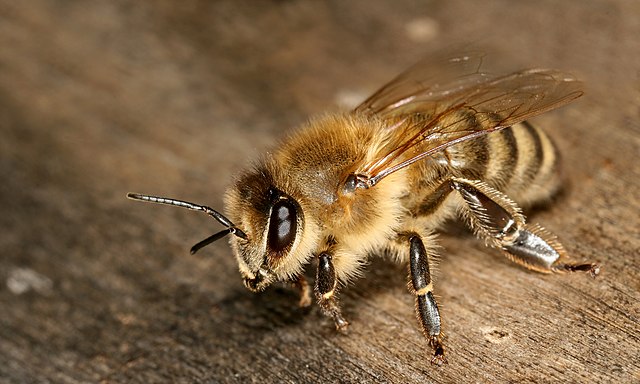
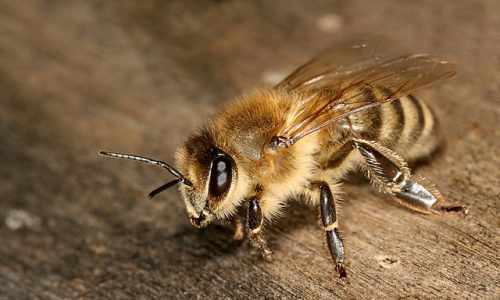
    These honey bees live in hollow trees or inside the rooves of houses. They can be found all across Northern Europe. The strain we have here in Ireland is a native species. A large amount of them also live in manmade bee hives as most of the Irish honey bee population are owned by beekeepers.


    What do They Eat?

    Like most bees, honey bees eat the nectar of lots of different flowers like foxgloves, hydrangeas and poppies.

    Remember never to feed a sick bee honey as it could be harmful to them. Instead give them a mix of sugar and water to munch on.


    How to Identify Them

    Honeybees are a lot smaller than bumblebees, making them easy to tell apart. They also are much less fuzzy from a distance, although, up close you will see that they have lots of tiny hairs in their body.


    Give Bees a Helping Hand!

    Bees are very vulnerable to extinction due to habitat loss and pesticide use. To help their numbers come back up, plant bee friendly flowers in your garden and encourage the adults around you to stop using pesticides. If we all work together we can make a difference.

    Photo Credits: Richard Bartz


    Find out more: https://pollinators.ie/record-pollinators/wild-honey-bee-study/

    http://www.irishdarknativehoneybees.com/

  • White-Tailed Bumblebee

    White-Tailed Bumblebee

    White-Tailed Bumblebee

    Where do They Live?

    These fuzzy friends tend to live in farmlands, fields, a garden, or anywhere where they have access to flowers to feed on. You can find them all across Europe and even Japan.


    They find old abandoned mice nests to create their own underground nest that can house up to 400 bees!


    What do They Eat?

    Bumblebees munch on all different types of flowers such as poppies, roses and foxgloves.


    If you ever find a sick bee in need of food, do not give them honey as it could contain harmful ingredients and diseases to bees. Instead, mix sugar and water and leave it out.


    How to Identify Them

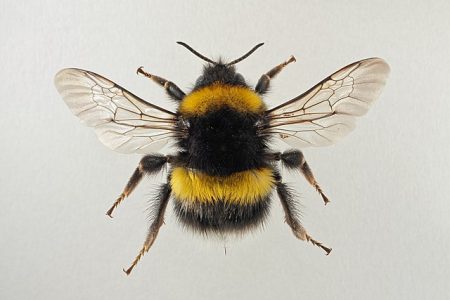
    White tailed bumblebees have an obvious and bright white tail, making them easy to identify.


    Give Bees a Helping Hand!

    Bees are very vulnerable to extinction due to habitat loss and pesticide use. To help their numbers come back up, plant bee friendly flowers in your garden and encourage the adults around you to stop using pesticides. If we all work together we can make a difference.


    Find out more: https://en.wikipedia.org/wiki/Bombus_lucorum

    https://candide.com/ZA/insects/a8b2c3a6-8c80-4618-a444-c9a374c39b86