Tag: DAFM

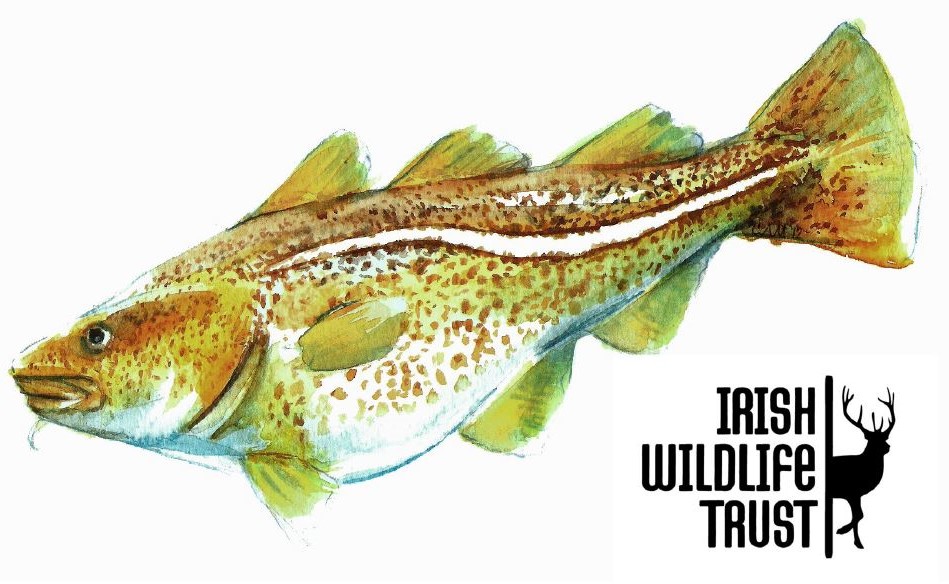
  • PRESS RELEASE: Irish Wildlife Trust calls for all trawling to be prohibited within the coastal zone

    PRESS RELEASE: Irish Wildlife Trust calls for all trawling to be prohibited within the coastal zone

    PRESS RELEASE: Irish Wildlife Trust calls for all trawling to be prohibited within the coastal zone


    The Irish Wildlife Trust (IWT) has made a submission to the public consultation on Minister Michael Creed’s (Department of Agriculture, Food and the Marine) review of trawling activity inside the 6 nautical mile zone.

    In our submission we highlight how the seas around Ireland are the common heritage of the people of this country, as well as future generations, and belong to no individual or industrial sector. Our seas are our history, our landscape and are vital to coastal communities which, thorough tourism or small-scale fishing, depend on it for a living. Our ocean wildlife is among the most spectacular in the world however it is gravely threatened from poorly-regulated fishing, pollution and fossil fuel exploration. Indeed, much marine life has already deserted our coastal zone from overfishing and harmful activities – inshore fishing for herring, cod and mackerel are a thing of the past, commercial fishing for salmon, eels and sea bass have shut down completely, while 62% of species of sharks and ray face extinction. Many of these problems can be blamed on trawling – an indiscriminate method of fishing that results in enormous waste and habitat destruction.

    IWT Campaigns Officer, Pádraic Fogarty says “it is very welcome that restrictions on trawling within the 6 nautical mile zone are being considered and we have called for all bottom and mid-water pair trawling to be prohibited as a matter of urgency. Such a move provides an enormous opportunity to allow for the recovery of marine life, the celebration of a healthy ocean and truly sustainable coastal communities.”

    We hope that this bold move will be passed but on its own it will not be enough to provide the protection needed for healthy seas. Only good management of marine resources will do that, something which should include the prohibition of other damaging fishing practices such as dredging and tangle netting, better regulation of supertrawlers, the designation of robust Marine Protected Areas, the banning of exploration of fossil fuels, and the legal protection of threatened marine species. Prohibiting trawling within the 6nm zone however would be a major step in the right direction. The full text of our submission can be found on our website here

    ENDS

    CONTACT:  Padraic Fogarty – IWT’s Campaigns Officer – irishwildlife@iwt.ie for further details
  • PRESS RELEASE: Increasing pesticide use presents a threat to wildlife and human health

    PRESS RELEASE: Increasing pesticide use presents a threat to wildlife and human health

    PRESS RELEASE: Increasing pesticide use presents a threat to wildlife and human health

    Published on: 11 April 2018

    New figures from the Department of Agriculture, Food and the Marine show that pesticide use in Ireland continues to increase, amounting to 3,135 tonnes of active ingredient in 2016 [1]. This is an increase of 14 tonnes on the previous year, and 219 tonnes greater then in 2013 – the year in which the ‘Origin Green’ marketing initiative was launched by An Bord Bia. In fact, pesticide use has increased every year since the advertising campaign started.
    Pesticide sprays, which include herbicides, fungicides, insecticides and other industrial chemicals, are among the leading causes in the decline of pollinating insects and are implicated in a collapse of insect and invertebrate populations generally. They are also known as a pollutant in water courses – presenting not only a threat to aquatic life but also human health. A 2015 report from the Environmental Protection Agency identified pesticides as ‘a significant water quality issue’ that year [2]. This report highlighted how 61 drinking water supplies failed drinking water limits that year, a leap from 28 from the year before.

    IWT Campaign Officer, Pádraic Fogarty, says: “the ever-increasing tide of chemical sprays which are used in agriculture is driven by government expansion plans and shows that ‘Origin Green’ has been no more than marketing spin. Our natural heritage, and the healthy environment we once enjoyed, is paying a heavy price for this unsustainable trend”.

    The IWT has previously called for the Origin Green marketing campaign to be scrapped, and these new figures show that it is no more than hollow slogans – funded at great expense by the taxpayer. Irish food production could, and should, be nature-friendly, but this will require a dramatic rethink of volume-based expansion plans.  END

    [2] EPA. 2016. Drinking Water Report for Public Water Supplies in 2015.   
    CONTACT:  Padraic Fogarty – IWT’s Campaigns Officer – irishwildlife@iwt.ie for further details
  • IWT welcomes overdue change in strategy in the fight against TB in cattle

    IWT welcomes overdue change in strategy in the fight against TB in cattle

    IWT welcomes overdue change in strategy in the fight against TB in cattle

    Published on: 15 January 2018

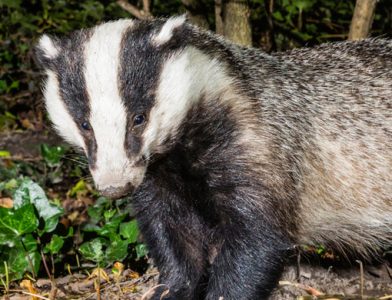
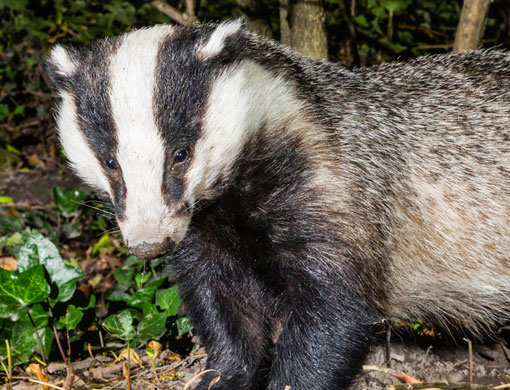
    Badger by Mike Brown
    Badger. Image: Mike Brown

    Following the announcement today by the Minister for Agriculture, Food and the Marine (DAFM), Michael Creed, that vaccination of badgers is to become an ‘integral part’ of the plan to eradicate TB in cattle[1], the Irish Wildlife Trust (IWT) would like to show its support for this long overdue shift in policy.

    The development comes 27 years after vaccination of badgers was first mooted as a possible solution in addressing the disease in that animal. In the intervening years well over 100,000 badgers have been snared and shot, while bovine TB remains high in many areas. The IWT has long believed that badgers have been unfairly blamed for a problem that was not their making, while the main source of transmission (from cattle to cattle) remains largely unaddressed. While badgers are nominally a protected species, DAFM figures show that in 2016 6,161 animals were slaughtered, including nursing mothers, leaving young to starve in their underground setts.

    IWT Campaigns Officer Pádraic Fogarty says, “by DAFM’s own admission, culling badgers on the scale we have seen over the past decades is unsustainable. It’s high time we saw the end of indiscriminate culling and especially the barbaric practice of culling during the badger breeding season. DAFM has admitted that culling is affecting the populations of badgers while oversight from the National Parks and Wildlife Service has been non-existent.”

    The IWT has campaigned since the beginning for an end to culling and while we welcome the shift towards more vaccinations of badgers, there has yet to be a recognition that the problem lies not with badgers, but cattle. Meanwhile, the killing is set to continue while quarterly TB rates in cattle for 2017 show an increase when compared with 2016. The so-called ‘TB eradication’ programme has been a costly failure, not least in the devastating impact on badgers. The IWT would like to see a firm commitment for the ending of the culling programme.

    [1] https://www.agriculture.gov.ie/press/pressreleases/2018/january/title,113880,en.html


    CONTACT:  Padraic Fogarty – IWT’s Campaigns Officer – irishwildlife@iwt.ie for further details
    Editors Notes: The Irish Wildlife Trust was founded in 1979 as a charitable conservation body. We provide the public with information about wildlife, run education and training programs like SAC Watch and the Badger Schools Programme, carry out habitat and species surveys like the IWT National Newt Survey, campaign and lobby around biodiversity issues, restore natural habitats, consult with industry, agriculture and Local Authorities to maintain our natural heritage and contribute to national and international forums for the protection of biodiversity. The IWT is a nationwide organisation with a strong membership base, staff and Board of Directors, with branches in Dublin, Longford/Westmeath, Galway, Kerry, Laois/Offaly, Waterford.