Tag: Irish Wildlife Trust

  • A Lament for our Peatlands

    A Lament for our Peatlands

    A lament for our peatlands

    What a let down. After being invited to an Oireachtas hearing to “discuss preserving biodiversity and ecosystems of peatlands” I had thought that here was an chance to talk openly with law-makers about the threats and opportunities facing our bedragled bogs. Even the press release from the ‘Joint Committee on Culture, Heritage and the Gaeltacht’ was upbeat: “Peatlands are a critical feature of the Irish landscape, a traditional source for industry and energy, and a fragile home for many rare plants and animals,” said Committee Chairman Aengus Ó Snodaigh TD. “The Committee looks forward to discussing with ecology and land management officials how best to preserve and protect these habitats for irreplaceable flora and fauna.” There are 10 members of the committee, including TDs and Senators, and its worthwhile giving them all a name check:

    Michael Collins (Independent)

    Danny Healy-Rae (Independent)

    Martin Heydon (Fine Gael)

    Niamh Smyth (Fianna Fáil)

    Éamon Ó Cuív (Fianna Fáil)

    Aengus Ó Snodaigh – Chair (Sinn Féin)

    Maura Hopkins (Fine Gael)

    Marie-Louise O’Donnell (Independent)

    Fintan Warfield (Sinn Féin)

    Aodhán Ó Ríordáin (Labour Party)


    The job of the committee is to ‘shadow’ (the word on the website) the Department of Culture, Heritage and the Gaeltacht headed  by Minister Josepha Madigan. Along with representatives from the NPWS, Bord na Mona and the Irish Peatlands Conservaton Council we all received a letter two weeks previously inviting us to attend and to make a 10 minute presentation.

    The first disappointment was the turn out. Of the ten parliamentarians listed above only five turned up, the committee chair himself  was a no-show. So much for him ‘looking forward’ to discussing our ‘critical peatlands’. Of the five who were there three made no speaking contribution throughout the two and half hours. Deputy Healy-Rae’s contribution was focussed on job opportunities for Bord na Mona staff (important yes, but off topic). He asked no questions or made no statement which had any relevance to peatland biodiversity. The next disappointment came when we were told we only really had five minutes to make our ten minute presentation and at least two of us were interrupted mid-stream to be told to get on with it. It was hard to escape the feeling that there was little real interest in what we had to say. Also present was Deputy Michael Fitzmaurice, well known climate denier and chairman of the Turf-cutters and Contractors Association – and no fan of peatland biodiversity. Deputy Eamon O’Cuiv, who has served in government and is well versed in conservation policy also spoke at length. And I mean at length.

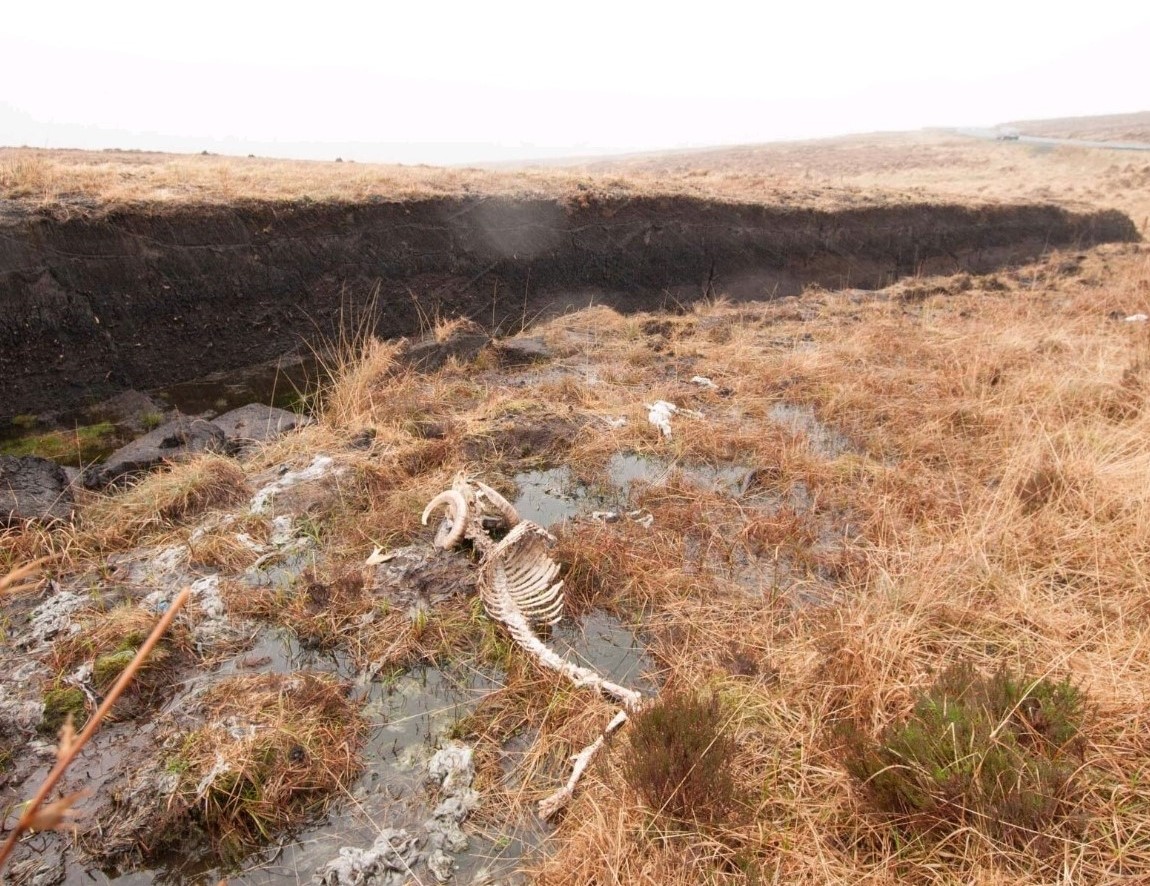
    Irish peatlands face major problems (see the link to our presentation at the end of this blog). I had expected the NPWS to be challenged on why so many of the promises in the National Peatlands Strategy were not being fulfilled. If our peatlands are so critical (as the chairman of the committee proclaimed) why didn’t he bother to turn up? Why is the Fine Gael government so quick to de-designate previously protected areas or furtively remove the need for planning permission for industrial peat extraction but stubbornly reluctant to implement conservation promises? As we struggle to address climate change and other environmental challenges where is the vision for restoring peatlands to all their glory? Who exactly is holding Minister Madigan to account? In the end there was no discussion on ‘how best to preserve and protect these habitats for irreplaceable flora and fauna’. The state agencies should have been grilled but sailed through unchallenged. Far from ‘shadowing’ the Minister and her department, this committee, it seemed to me, is in the dark. As our bogs take their last gasps, few in the Oireachtas, it would appear, is prepared to fight to save what’s left. What a disappointment.


    A copy of our statement to the Committee is available for download here

  • Restoring nature must be central to climate action

    Restoring nature must be central to climate action

    Restoring nature must be central to climate action

    By Padraic Fogarty, IWT Campaigns Officer

    Two reports in the past two months focussed the world’s attention – if only briefly – on the dire state of our planet. The first, from the UN’s Intergovernmental Panel on Climate Change (IPCC) laid out in stark terms how there is only about 12 years remaining where meaningful action can be taken to curb the worst effects of climate collapse. The other, from the Worldwide Fund for Nature and the Zoological Society of London (WWF/ZSL), revealed how the population of the world’s vertebrates (animals with backbones such as mammals, birds and fish) have plummeted by 60% since the 1970s. Although the climate crisis remains largely ignored by Ireland’s business and political classes, it is positively lavished with attention when compared to our extinction crisis – something which rarely, and only sporadically hits the headlines. This is important for two reasons. Firstly, extinction is not something which has only affected far-away places but rather has impacted Ireland even more dramatically than most countries. Not only have we lost our bogs and forests, but our rivers are dammed, drained and polluted, our seas are trawled lifeless, and our farmland is increasingly sterilised. It’s revealing how, unlike the climate debate, there are no ‘extinction denialists’ or lobbyists trying to tell us this isn’t happening – it’s simply accepted with a shrug. Secondly, nature is an indispensable ally in meeting our climate goals. So, rather than viewing two separate ecological challenges, it is essential that they are seen as intimately interlinked and this is something that can work to our benefit. I would go so far as to say that restoring nature is the cheapest, easiest and most effective tool at our disposal for not only reducing emissions of greenhouse gases but helping to adapt to extreme weather events, building resilience in food production, and providing a lifeline to rural communities.

    Although the extent of our extinction crisis is well documented, government departments have been woefully negligent in undermining conservation efforts (just look at the dilapidation of our national parks). For those looking for hope, the new Minister for the Communications, Climate Action and the Environment, Richard Bruton, took to Twitter on November 7th to say “I want to make Ireland a leader in responding to climate change, not a follower. That will require a significant step change across govt. I will lead on the development of an all of govt plan which will set out the actions which must be taken in every government dept and body.” He later told the Irish Times that meeting the challenge will require a “revolution in how we live”. These were welcome words to those of us used to the evasive language and denialism that has characterised the Fine Gael administration. Indeed, the normally buzzing social media accounts of government ministers fell silent on the release of the WWF/ZSL report, with even our minister in charge of nature conservation, Josepha Madigan, having nothing to say on the topic. This has to change if we are to turn things around in the short space of time left available to us.

    A study published in 2017 by the Nature Conservancy in the US put a figure on just how useful nature will be in preventing climate collapse – fully 37% of the needed reductions in greenhouse gases can come from nature-based solutions such as restoring wetlands, re-establishing forests and farming in a way that absorbs carbon and methane rather than releasing them. Committing to the rewilding of the Midlands bogs, a once-unique ecosystem which has been lost due to turf-extraction, could transform the degraded landscape, providing a range of new job opportunities as well as being the biggest ‘no brainer’ in terms of locking up carbon permanently (currently the bare peat soil spews out CO2 at a ferocious rate even before it is burned). We’re still dredging and draining rivers, even blaming the few remaining trees along the River Shannon for flooding, when reconnecting rivers with their natural floodplains will reduce flood risk in towns and provide greater resilience in the face of wetter winters. We’re pumping hundreds of millions of taxpayers’ euros into a failing forestry model based on conifer plantations which are clear-felled after 50 years – pumping out cheap wood products and pollution while sterilising the landscape of people and wildlife. New research has shown that real forests – with a natural mix of species – store more carbon than monocultures, while at the same time purifying water, slowing the flow of water off land and providing valuable amenity benefits to local people. Across the continent ‘continuous cover forestry’ produces timber in a way that is sympathetic to the natural woodland ecosystem, something which jars with our pesticide-dependant, soil-destroying and forbidding landscapes of alien trees. Meanwhile on farmland, better management of hedgerows and restoring soil health would suck up carbon, while fewer livestock would not only cut methane emissions but eliminate the greatest source of pollution in our rivers and lakes. All of these initiatives require the revolution in thinking which Minister Bruton alluded to. They have the added benefit of restoring the glories of nature while providing sustainable futures for communities.


  • PRESS RELEASE: Irish Wildlife Trust calls for all trawling to be prohibited within the coastal zone

    PRESS RELEASE: Irish Wildlife Trust calls for all trawling to be prohibited within the coastal zone

    PRESS RELEASE: Irish Wildlife Trust calls for all trawling to be prohibited within the coastal zone


    The Irish Wildlife Trust (IWT) has made a submission to the public consultation on Minister Michael Creed’s (Department of Agriculture, Food and the Marine) review of trawling activity inside the 6 nautical mile zone.

    In our submission we highlight how the seas around Ireland are the common heritage of the people of this country, as well as future generations, and belong to no individual or industrial sector. Our seas are our history, our landscape and are vital to coastal communities which, thorough tourism or small-scale fishing, depend on it for a living. Our ocean wildlife is among the most spectacular in the world however it is gravely threatened from poorly-regulated fishing, pollution and fossil fuel exploration. Indeed, much marine life has already deserted our coastal zone from overfishing and harmful activities – inshore fishing for herring, cod and mackerel are a thing of the past, commercial fishing for salmon, eels and sea bass have shut down completely, while 62% of species of sharks and ray face extinction. Many of these problems can be blamed on trawling – an indiscriminate method of fishing that results in enormous waste and habitat destruction.

    IWT Campaigns Officer, Pádraic Fogarty says “it is very welcome that restrictions on trawling within the 6 nautical mile zone are being considered and we have called for all bottom and mid-water pair trawling to be prohibited as a matter of urgency. Such a move provides an enormous opportunity to allow for the recovery of marine life, the celebration of a healthy ocean and truly sustainable coastal communities.”

    We hope that this bold move will be passed but on its own it will not be enough to provide the protection needed for healthy seas. Only good management of marine resources will do that, something which should include the prohibition of other damaging fishing practices such as dredging and tangle netting, better regulation of supertrawlers, the designation of robust Marine Protected Areas, the banning of exploration of fossil fuels, and the legal protection of threatened marine species. Prohibiting trawling within the 6nm zone however would be a major step in the right direction. The full text of our submission can be found on our website here

    ENDS

    CONTACT:  Padraic Fogarty – IWT’s Campaigns Officer – irishwildlife@iwt.ie for further details

  • New report from Irish Wildlife Trust highlights government failure in protecting our seas

    New report from Irish Wildlife Trust highlights government failure in protecting our seas

    New report from Irish Wildlife Trust highlights government failure in protecting our seas
    The Irish Wildlife Trust (IWT) is urging the government to get on with the task of establishing a network of Marine Protected Areas (MPAs) – something which it is required to deliver by 2020 but where little progress has been made to date. Under the EU’s Marine Strategy Framework Directive, the state has signed up to delivering MPAs as well as ensuring that marine biodiversity is in ‘good status’ in only a year and a half. Despite signing up to the directive in 2008 scant progress has been made in achieving the aim which is essential for restoring lost fish populations and safeguarding delicate marine habitats. Under the international Aichi Agreement made in 2010 (under the auspices of the Convention on Biological Diversity) Ireland has committed to the aim of establishing 10% of our marine area as MPAs which have nature conservation as their number one aim. To-date only 2.3% of our seas fall into this category, with no areas where extractive activities such as fishing or fossil fuel extraction are prohibited. A recent feature in the journal Nature found that “at least 30% of the global ocean, distributed evenly between ocean ecosystems, should be cordoned off to avoid a mass extinction of marine life” [1]
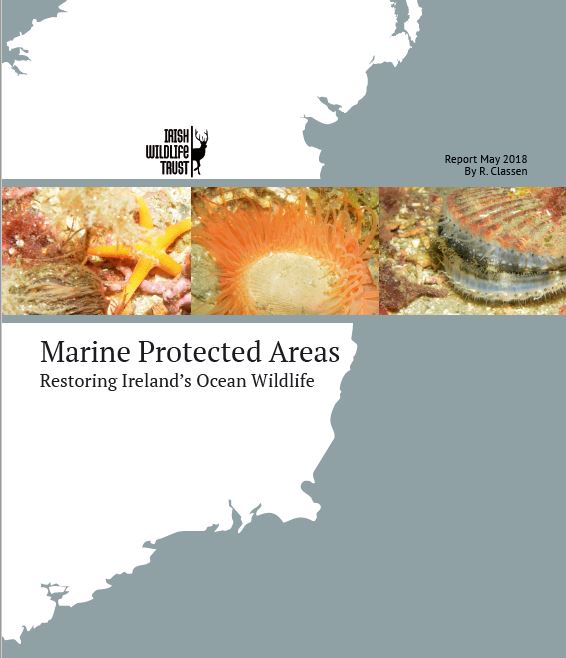
    The findings come in a new report released by the IWT for World Ocean’s Day entitled ‘Marine Protected Areas – a tool for restoring Ireland’s ocean wildlife’ and available now on our website here. The main findings include:
    • Under EU and global agreements Ireland has committed to establishing 10% of our waters as MPAs by 2020 – to-date the actual level is only 2.3%.
    • MPAs are proven to be essential for restoring marine biodiversity, including commercial fish populations. In Irish waters only two fish species are assessed by the Marine Institute as being fished within sustainable limits (Hake and Albacore Tuna) while the IWT has previously highlighted how 48 marine species (from sharks to seaweeds) are threatened with extinction or are found in only small, isolated populations.[2]
    • MPAs can allow some extractive activities (principally fishing) or they can be ‘no-take zones’ where no fishing or other harmful activities are permitted. Research shows that no-take zones provide the best results in terms of protecting biodiversity.
    • MPAs can benefit small-scale fishing communities by restoring populations of commercially important species, from lobsters and scallops to larger fish. In a fully protected MPA fish are allowed to grow big and old, where they produce more offspring and spill over into areas where fishing is permitted. This provides a truly sustainable blueprint for the protection of both marine life and coastal communities.
    • MPAs can help in the fight against climate change – seagrass and kelp in particular are proved to absorb large quantities of CO2from the atmosphere.
    IWT Campaigns Officer, Pádraic Fogarty says: “Our seas are in big trouble after decades of abuse and mismanagement. We urgently need MPAs as the lynchpin for wider protection of marine ecosystems – something which will include legal protection for marine wildlife, pollution control and a ban on new fossil fuel exploration. The government has no excuse for not acting swiftly in meeting our obligations in this regard.”

    [2] ‘Protecting Our Ocean Wealth – a proposal for legal protection of threatened marine species’. 2018.
    END.
    CONTACT:  Padraic Fogarty – IWT’s Campaigns Officer – irishwildlife@iwt.ie for further details
  • Save 6 Miles of Sea

    Save 6 Miles of Sea

    The Department of Agriculture, Food and the Marine is looking for your views on trawling within the 6 nautical mile coastal zone. The IWT would like to see all trawling banned in this area and is encouraging everybody who cares for our seas to make their views known. We have prepared a sample template and people are free to cut and paste this if they wish. You are also urged to add your own thoughts and the more personalised the submission the more weight it is likely to carry! The important thing is that you mail FisheriesConsultation@agriculture.gov.ie by the deadline of next Monday June 11th! Thank you

    “Email to: FisheriesConsultation@agriculture.gov.ie

    Or post to:

    Public consultation on Trawling Activity Inside 6nm

    Sea Fisheries Policy and Management Division

    Department of Agriculture, Food and the Marine

    National Seafood Centre

    Clonakilty,

    Co. Cork P85 TX47


    [Your name and address]


    Re: Public Consultation on Minister’s Review of trawling activity inside the 6 nautical mile zone


    Dear Minister Creed,


    I would like to make a submission to the above-mentioned consultation.

    The seas around Ireland are the common heritage of the people of this country, as well as future generations, and belong to no individual or industrial sector. Our seas are our history, our landscape and are vital to coastal communities which, thorough tourism or small-scale fishing, depend on it for a living. Our ocean wildlife is among the most spectacular in the world however it is gravely threatened from poorly-regulated fishing, pollution and fossil fuel exploration. Indeed, much marine life has already deserted our coastal zone from overfishing and harmful activities – inshore fishing for herring, cod and mackerel are a thing of the past, commercial fishing for salmon, eels and sea bass have shut down completely, while 62% of species of sharks and ray face extinction. Many of these problems can be blamed on trawling – an indiscriminate method of fishing that results in enormous waste and habitat destruction.

    It is very welcome that restrictions on trawling within the 6 nautical mile zone are being considered and I would like to use this opportunity to call for all bottom and mid-water pair trawling to be prohibited as a matter of urgency. Such a move provides an enormous opportunity to allow for the recovery of marine life, the celebration of a healthy ocean and truly sustainable coastal communities.

    I hope that this bold move will be passed but on its own it will not be enough to provide the protection needed for healthy seas. Only good management of marine resources will do that, something which should include the prohibition of other damaging fishing practices such as dredging and tangle netting, better regulation of supertrawlers, the designation of robust Marine Protected Areas, the banning of exploration of fossil fuels, and the legal protection of threatened marine species. Prohibiting trawling within the 6nm zone however would be a major step in the right direction.


    Yours sincerely,”

  • PRESS RELEASE: Increasing pesticide use presents a threat to wildlife and human health

    PRESS RELEASE: Increasing pesticide use presents a threat to wildlife and human health

    PRESS RELEASE: Increasing pesticide use presents a threat to wildlife and human health

    Published on: 11 April 2018

    New figures from the Department of Agriculture, Food and the Marine show that pesticide use in Ireland continues to increase, amounting to 3,135 tonnes of active ingredient in 2016 [1]. This is an increase of 14 tonnes on the previous year, and 219 tonnes greater then in 2013 – the year in which the ‘Origin Green’ marketing initiative was launched by An Bord Bia. In fact, pesticide use has increased every year since the advertising campaign started.
    Pesticide sprays, which include herbicides, fungicides, insecticides and other industrial chemicals, are among the leading causes in the decline of pollinating insects and are implicated in a collapse of insect and invertebrate populations generally. They are also known as a pollutant in water courses – presenting not only a threat to aquatic life but also human health. A 2015 report from the Environmental Protection Agency identified pesticides as ‘a significant water quality issue’ that year [2]. This report highlighted how 61 drinking water supplies failed drinking water limits that year, a leap from 28 from the year before.

    IWT Campaign Officer, Pádraic Fogarty, says: “the ever-increasing tide of chemical sprays which are used in agriculture is driven by government expansion plans and shows that ‘Origin Green’ has been no more than marketing spin. Our natural heritage, and the healthy environment we once enjoyed, is paying a heavy price for this unsustainable trend”.

    The IWT has previously called for the Origin Green marketing campaign to be scrapped, and these new figures show that it is no more than hollow slogans – funded at great expense by the taxpayer. Irish food production could, and should, be nature-friendly, but this will require a dramatic rethink of volume-based expansion plans.  END

    [2] EPA. 2016. Drinking Water Report for Public Water Supplies in 2015.   
    CONTACT:  Padraic Fogarty – IWT’s Campaigns Officer – irishwildlife@iwt.ie for further details
  • Irish Wildlife Trust calls for payments to be made to farmers for not farming

    Irish Wildlife Trust calls for payments to be made to farmers for not farming

    PRESS RELEASE: Irish Wildlife Trust calls for payments to be made to farmers for not farming

    Date: 23rd March 2018
    As part of our submission to the future of the Common Agricultural Policy (CAP) the Irish Wildlife Trust (IWT) is calling on the government to support the ‘rewilding’ of land in certain areas by paying farmers for not farming.
    A significant driver of habitat loss under the existing CAP is the requirement for all land to be in agricultural production, regardless of whether it is suitable for this purpose. This promotes the setting of fires, drainage of wet areas and removal of emerging woodland (scrub). The IWT would therefore like to see a new measure which would allow landowners to benefit from restoring land to its natural vegetation cover (typically native woodland). Removing all grazing pressure from uplands, river corridors or low-lying areas prone to flooding or waterlogging would provide new habitat for wildlife as well as public goods such as flood alleviation, enhancing water quality, carbon storage and amenity. It is a measure which could be applied at a landscape-scale, e.g. across a mountain range, or within fields where farmers know that grass growth is poor. This type of ‘rewildling’ measure, which should be optional for land owners, has enormous potential to deliver public goods at low cost to the taxpayer.
    The IWT supports the CAP and the central principle of direct payments to farmers. We acknowledge that farming in the EU produces high quality food at affordable prices and we understand that these are critical aims which must be met alongside the protection of the environment.
    However, it must be acknowledged that the CAP has failed in this latter task. Ireland is currently undergoing an extinction crisis at a scale and breadth which has not been witnessed in human history. The National Parks and Wildlife Service (NPWS), the state agency which monitors the health of our biodiversity tells us that only 5 of 58 of our most important habitats are in ‘good’ status. Of species, a slightly better 32 of 69 are in ‘good status’. They highlight agriculture as the single biggest pressure on these habitats and species [1]. The loss of flowers and the increasing use of pesticides associated with intensive agriculture is responsible for catastrophic declines in bee populations, and one third of species are threatened with extinction. Indeed, recent studies from across Europe suggest that we have experienced a collapse of insect populations generally (although data from Ireland is lacking) with unknown repercussions for ecosystems and indeed agricultural systems. The Environmental Protection Agency (EPA) tells us that over half of our water bodies are polluted and the single biggest contributor to this is agriculture [2]. Indeed, there has been a precipitous decline in the number of ‘pristine’ water sites – from over 500 in the 1980s to just 21 today [3].
    Meanwhile, land drainage policies, driven by the expansion of available agricultural land and developed in the 1940s, have drastically altered the natural functioning of nearly all of our rivers. This has resulted in the loss of natural flood plains, contributing to the collapse of freshwater fish species like Atlantic Salmon and European Eel and creating flooding pressure in towns and cities downstream.
    In upland areas, where extensive commonage grazing is the rule, all peatland habitats are assessed by the NPWS as in ‘bad’ condition while the typical assemblage of birds characteristic of these areas (red grouse, hen harrier, merlin, ring ouzel, nightjar, curlew, golden eagle, twite and others) are threatened with extinction [4]. The routine setting of wild fires in these areas is driven by CAP eligibility requirements and has resulted in widespread damage.
    The European Commission’s public consultation on the CAP reform attracted an overwhelming response with 92% of non-farmers, and 64% of farmers, agreeing that more needs to be done to protect the environment. The Irish government must acknowledge the overriding imperative to create a CAP which can restore wildlife populations and water quality. The IWT welcomes the emphasis on greater decision-making at a local level, as different geographical locations will require different solutions. The new CAP must also be based upon measurable outcomes, giving farmers the incentive to choose the solutions which best suit their land. Previous schemes such as REPS, AEOS or the current GLAS encourage positive actions but are failing in reversing declines in wildlife populations or improving water quality.
    The Irish state has legally-binding environmental obligations to protect and restore biodiversity (Habitats and Birds Directives), water (Water Framework Directive) and to reduce greenhouse gas emissions. It is failing on all of these fronts. The impending reform of the CAP provides an opportunity to reverse this poor record while ensuring farmers’ livelihoods and maintaining a high quality of food production.
    END

    [1] NPWS. 2013. The Status of EU Protected Habitats and Species in Ireland. 2013.
    [2] EPA 2015. Water Quality in Ireland 2010-2012.
    [3] EPA. 2017. Water Quality in Ireland 2010-2015
    [4] Colhoun & Cummins. 2013. Birds of Conservation Concern in Ireland.
    CONTACT:  Padraic Fogarty – IWT’s Campaigns Officer – irishwildlife@iwt.ie for further details
  • Press Release: IWT calls for better legal protection for marine life

    Press Release: IWT calls for better legal protection for marine life

    Press Release: IWT calls for better legal protection for marine life

    05 February 2018

    Protecting our ocean’s wealth report
    The Irish Wildlife Trust (IWT) is calling for full legal protection for selected marine fish and invertebrates in a newly released report, entitled ‘Protecting Our Ocean’s Wealth – a proposal for legal protection of threatened marine species’.
    The protection of wildlife in Ireland falls within the Wildlife Act and since 1976 this law has listed species requiring special protections, including restrictions on hunting and the legal protection of resting places or important habitats. While this legislation includes many of our native animals (including deer, seals, badgers, pine martens, frogs, and nesting birds) and our most threatened plants, it expressly excludes the listing of marine fish and invertebrates without the blessing of the minister with responsibility for fisheries. To date no such marine creature has been afforded protection – something that is starkly out of step with our European neighbours. This is despite the fact that many marine species occurring in Irish waters are threatened with extinction.
    The new report lists 48 species of fish (including sharks and rays), crustacean, shellfish and other invertebrate animals, as well as five types of seaweed. These were chosen based on four criteria:
    ·         assessed as threatened with extinction, or near threatened by scientists (such as Basking Sharks, Porbeagle Sharks, Halibut or Turbot);
    ·         already benefiting from some legal protection under the EU’s Habitats Directive (e.g. Atlantic Salmon or Lampreys);
    ·         evidence for a marked decline in Irish waters (e.g. the purple sea urchin or the native Oyster);
    ·         or with a very localised distribution (such as the Short-snouted Seahorse and some anemones).
    Where species are commercially exploited, or the target of recreational angling, legal protection would promote the recovery of depleted populations or the designation of key areas for their conservation (e.g. through the establishment of marine protected areas – something the Irish government has already committed to). The IWT is not against the wise exploitation of marine resources but believes this must take place within a robust legal framework. The absence of such protections has led to chronic over-exploitation of certain species in the past, e.g.:
    ·         Angel sharks were once common around our coast but are now ‘critically endangered’ and have not been seen in some years.
    ·         The native oyster once spread out in vast carpets across inland bays and estuaries but now struggle for survival in a handful of depleted
                populations.
    ·         The Basking Shark is the second largest fish in the sea, but Ireland is the only country in its range where it is not legally protected.
    ·         The spiny dogfish, or spurdog, gives birth to live young and has one of the longest gestation periods in the animal world. It was once sold in
                supermarkets as ‘rock   salmon’ but a lack of management has left it endangered with extinction.
    ·         Turbot is a popular fish with diners but has suffered dramatic declines in Irish waters and is now listed as ‘vulnerable’ in the European Red List of
                Marine Fish.
    ·         Halibut, Wolf-fish and the Common Sturgeon may be extinct in Irish waters.
    ·          The Short-snouted Seahorse is known only from the coasts of Dublin, Clare, East Cork and Belfast Lough.
    IWT Campaigns Officer, Pádraic Fogarty says “marine life is under threat on many fronts, including overfishing, damaging fishing practices, and plastic pollution. Legal protection for our most threatened species will not on its own resolve these issues. But along with marine protected areas, control of supertrawlers and other measures, it is a necessary element in the path to recovery.”
    The full report is available on our website at https://iwt.ie/wp-content/uploads/2018/02/Protecting-our-ocean-wealth-Jan18.pdf   ENDS
    ​
    CONTACT:  Padraic Fogarty – IWT’s Campaigns Officer – irishwildlife@iwt.ie for further details


  • IWT welcomes overdue change in strategy in the fight against TB in cattle

    IWT welcomes overdue change in strategy in the fight against TB in cattle

    IWT welcomes overdue change in strategy in the fight against TB in cattle

    Published on: 15 January 2018

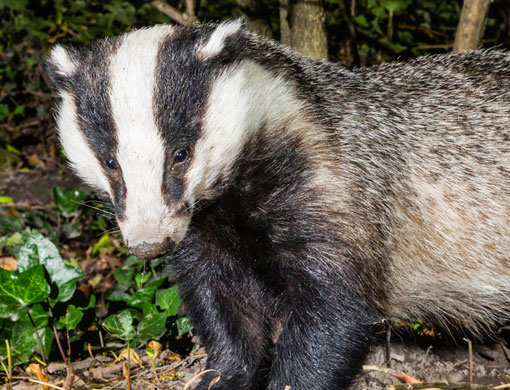
    Badger by Mike Brown
    Badger. Image: Mike Brown

    Following the announcement today by the Minister for Agriculture, Food and the Marine (DAFM), Michael Creed, that vaccination of badgers is to become an ‘integral part’ of the plan to eradicate TB in cattle[1], the Irish Wildlife Trust (IWT) would like to show its support for this long overdue shift in policy.

    The development comes 27 years after vaccination of badgers was first mooted as a possible solution in addressing the disease in that animal. In the intervening years well over 100,000 badgers have been snared and shot, while bovine TB remains high in many areas. The IWT has long believed that badgers have been unfairly blamed for a problem that was not their making, while the main source of transmission (from cattle to cattle) remains largely unaddressed. While badgers are nominally a protected species, DAFM figures show that in 2016 6,161 animals were slaughtered, including nursing mothers, leaving young to starve in their underground setts.

    IWT Campaigns Officer Pádraic Fogarty says, “by DAFM’s own admission, culling badgers on the scale we have seen over the past decades is unsustainable. It’s high time we saw the end of indiscriminate culling and especially the barbaric practice of culling during the badger breeding season. DAFM has admitted that culling is affecting the populations of badgers while oversight from the National Parks and Wildlife Service has been non-existent.”

    The IWT has campaigned since the beginning for an end to culling and while we welcome the shift towards more vaccinations of badgers, there has yet to be a recognition that the problem lies not with badgers, but cattle. Meanwhile, the killing is set to continue while quarterly TB rates in cattle for 2017 show an increase when compared with 2016. The so-called ‘TB eradication’ programme has been a costly failure, not least in the devastating impact on badgers. The IWT would like to see a firm commitment for the ending of the culling programme.

    [1] https://www.agriculture.gov.ie/press/pressreleases/2018/january/title,113880,en.html


    CONTACT:  Padraic Fogarty – IWT’s Campaigns Officer – irishwildlife@iwt.ie for further details
    Editors Notes: The Irish Wildlife Trust was founded in 1979 as a charitable conservation body. We provide the public with information about wildlife, run education and training programs like SAC Watch and the Badger Schools Programme, carry out habitat and species surveys like the IWT National Newt Survey, campaign and lobby around biodiversity issues, restore natural habitats, consult with industry, agriculture and Local Authorities to maintain our natural heritage and contribute to national and international forums for the protection of biodiversity. The IWT is a nationwide organisation with a strong membership base, staff and Board of Directors, with branches in Dublin, Longford/Westmeath, Galway, Kerry, Laois/Offaly, Waterford.
  • Irish Wildlife Trust calls on Minister Michael Creed to end destructive ‘pair-trawling’ in coastal waters

    Irish Wildlife Trust calls on Minister Michael Creed to end destructive ‘pair-trawling’ in coastal waters

    Irish Wildlife Trust calls on Minister Michael Creed to end destructive ‘pair-trawling’ in coastal waters

    Published on: 14 November 2017
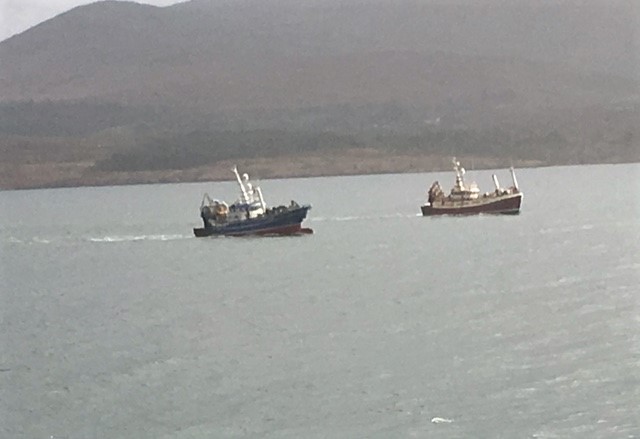
    The Irish Wildlife Trust (IWT) is once again receiving reports from the south-west that destructive ‘pair trawling’ is underway in shallow bays and inlets. Pair-trawling is the practice whereby two boats drag a single net, effectively sieving all marine life from the water column. This type of fishing, which typically involves the use of a small mesh, targets small fish, particularly sprat. Sprat may be small but are high in energy and gather in large shoals. While very little is known about the biology or population size of the sprat, it is well known that these small fish are food for much of the marine ecosystem – including whales and dolphins, seals, seabirds and larger fish. Keeping sprat in the water is essential if we are to protect the wider health of our seas.
    Pair trawling in Irish Coastal Waters

    IWT Campaigns Officer Pádraic Fogarty says “pair trawling is just one example of destructive fishing practices that are allowed in Irish waters. If we are serious about protecting the marine environment it should be banned outright in coastal areas. It’s mad that such damaging practices are not only allowed but are totally unregulated.”

    Pair-trawling is known to have taken place in the mouth of the River Shannon (Counties Clare and Limerick) and Kenmare Bay (Co. Kerry), both so-called Special Areas of Conservation. The IWT is calling on Minister for Agriculture, Food and the Marine Michael Creed to ban the practice.  Due to the harmful environmental impacts pair trawling has been banned in UK waters since 2005.
    CONTACT:  Padraic Fogarty – IWT’s Campaigns Officer – irishwildlife@iwt.ie for further details