Category: * All News

  • Trips to Ireland’s Eye June 2018

    Trips to Ireland’s Eye June 2018

    Trips to Ireland’s Eye June 2018

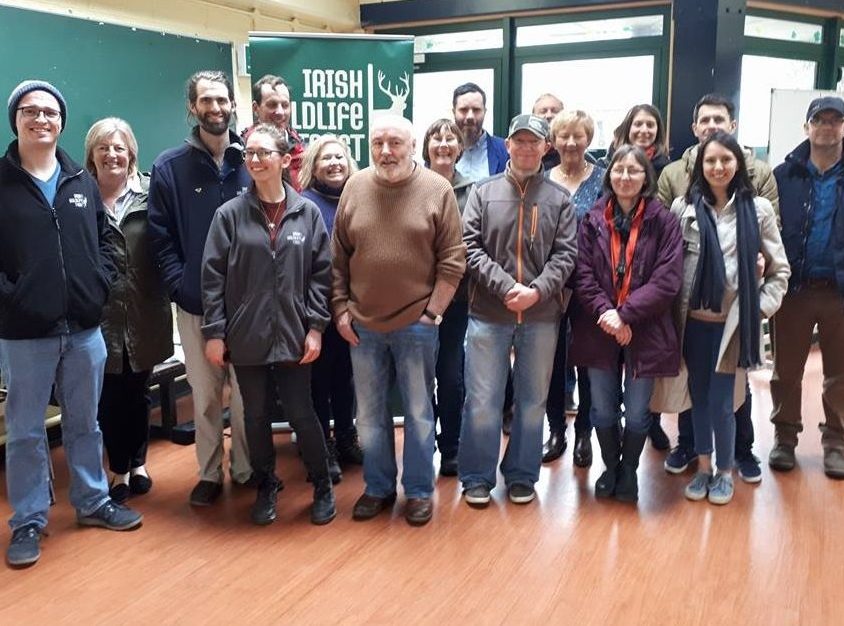
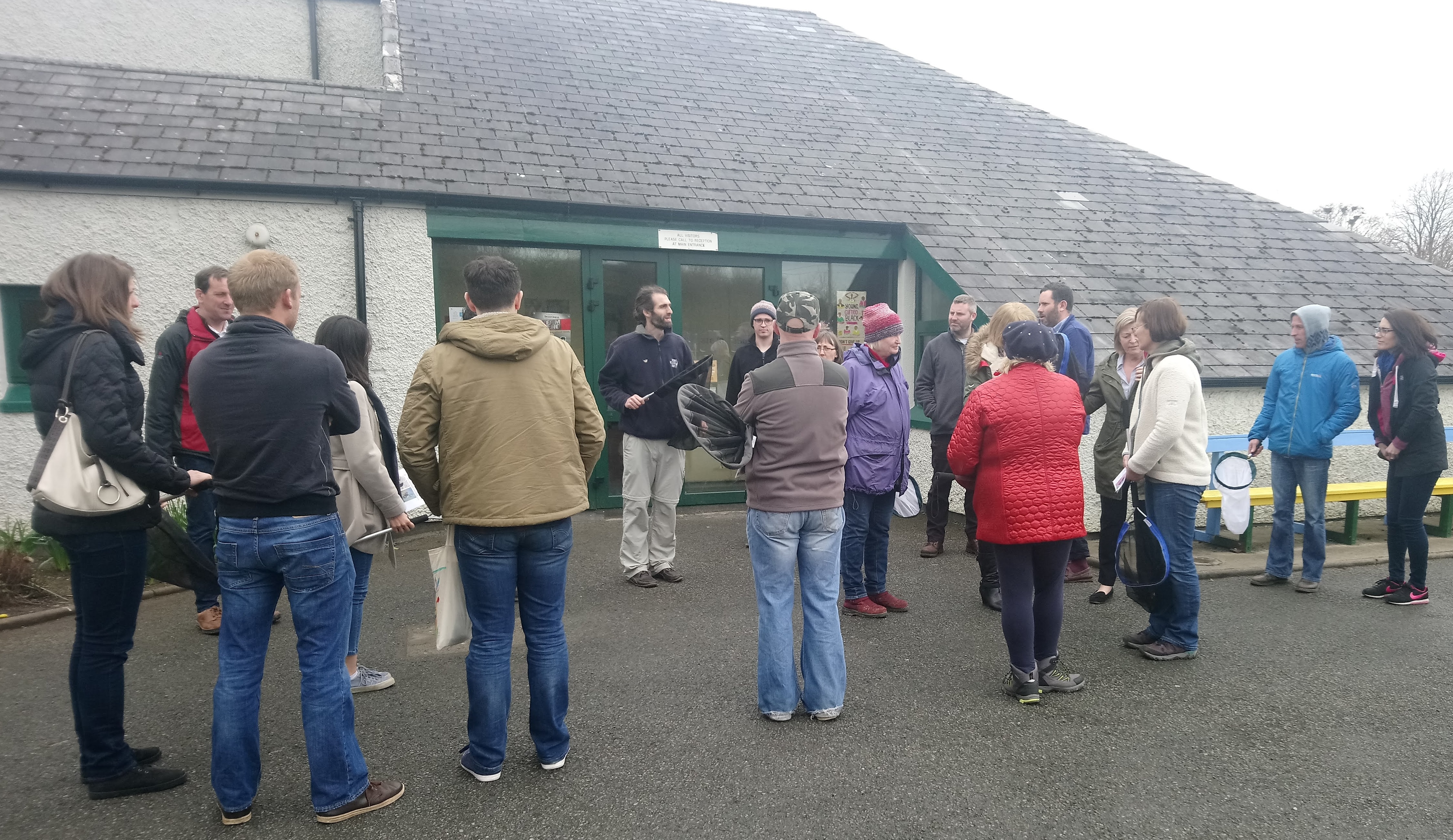
    For the eighth year in a row, the IWT Dublin branch organised two trips to Ireland’s Eye this June. As in previous years, both outings were fully booked up and on both occasions participants fully appreciated the charm of this unique little island north of Howth Harbour. Fortunately, the weather also played its part and grey seals popping up in the water added to our enjoyment.

    In order to reduce disturbance to nesting seabirds Fingal County Council put up sign posts to the main sights and also started to form paths across the island by just strimming the vegetation. These simple measures appear to work well as most visitors we met seemed to stick to the paths.

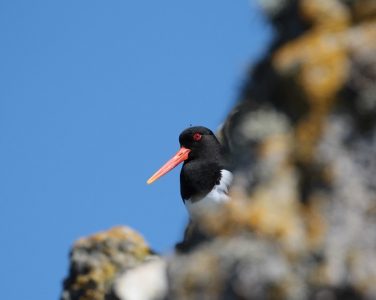
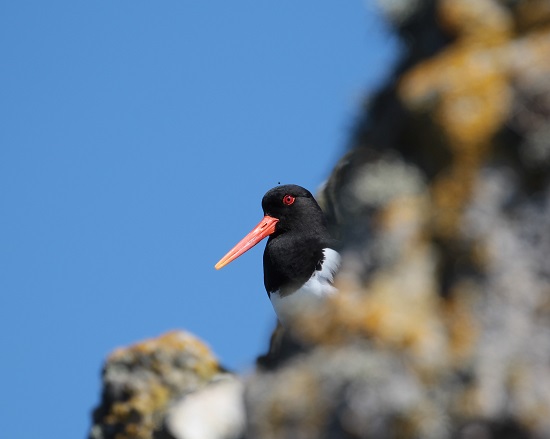
    It was thrilling to be close up to so many seabirds, including different species of gulls, terns and auks, fulmars, cormorants and shags, oystercatchers, and, of course, the star bird of the island, the gannet, nesting on the spectacular rock, the Stack. But what people enjoyed most were the many chicks running around already making a lot of noise and life difficult for their parents. Thankfully, John Fox (Birdwatch Ireland) was with us and answered the many questions people had in regard to the birds’ nesting, feeding, migration, behaviour and lifespan.

    The Ireland’s Eye trip is an annual Irish Wildlife Trust Dublin Branch event and Irish Wildlife Trust members can book on for a discounted price.

  • PRESS RELEASE: Irish Wildlife Trust calls for all trawling to be prohibited within the coastal zone

    PRESS RELEASE: Irish Wildlife Trust calls for all trawling to be prohibited within the coastal zone

    PRESS RELEASE: Irish Wildlife Trust calls for all trawling to be prohibited within the coastal zone


    The Irish Wildlife Trust (IWT) has made a submission to the public consultation on Minister Michael Creed’s (Department of Agriculture, Food and the Marine) review of trawling activity inside the 6 nautical mile zone.

    In our submission we highlight how the seas around Ireland are the common heritage of the people of this country, as well as future generations, and belong to no individual or industrial sector. Our seas are our history, our landscape and are vital to coastal communities which, thorough tourism or small-scale fishing, depend on it for a living. Our ocean wildlife is among the most spectacular in the world however it is gravely threatened from poorly-regulated fishing, pollution and fossil fuel exploration. Indeed, much marine life has already deserted our coastal zone from overfishing and harmful activities – inshore fishing for herring, cod and mackerel are a thing of the past, commercial fishing for salmon, eels and sea bass have shut down completely, while 62% of species of sharks and ray face extinction. Many of these problems can be blamed on trawling – an indiscriminate method of fishing that results in enormous waste and habitat destruction.

    IWT Campaigns Officer, Pádraic Fogarty says “it is very welcome that restrictions on trawling within the 6 nautical mile zone are being considered and we have called for all bottom and mid-water pair trawling to be prohibited as a matter of urgency. Such a move provides an enormous opportunity to allow for the recovery of marine life, the celebration of a healthy ocean and truly sustainable coastal communities.”

    We hope that this bold move will be passed but on its own it will not be enough to provide the protection needed for healthy seas. Only good management of marine resources will do that, something which should include the prohibition of other damaging fishing practices such as dredging and tangle netting, better regulation of supertrawlers, the designation of robust Marine Protected Areas, the banning of exploration of fossil fuels, and the legal protection of threatened marine species. Prohibiting trawling within the 6nm zone however would be a major step in the right direction. The full text of our submission can be found on our website here

    ENDS

    CONTACT:  Padraic Fogarty – IWT’s Campaigns Officer – irishwildlife@iwt.ie for further details

  • New report from Irish Wildlife Trust highlights government failure in protecting our seas

    New report from Irish Wildlife Trust highlights government failure in protecting our seas

    New report from Irish Wildlife Trust highlights government failure in protecting our seas
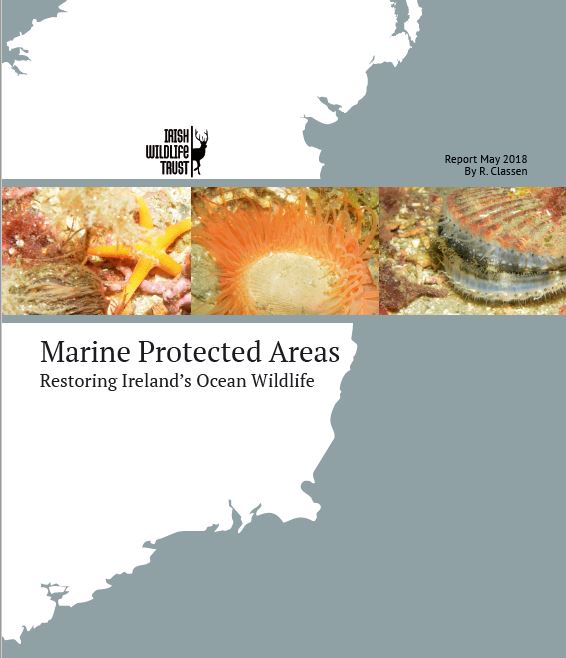
    The Irish Wildlife Trust (IWT) is urging the government to get on with the task of establishing a network of Marine Protected Areas (MPAs) – something which it is required to deliver by 2020 but where little progress has been made to date. Under the EU’s Marine Strategy Framework Directive, the state has signed up to delivering MPAs as well as ensuring that marine biodiversity is in ‘good status’ in only a year and a half. Despite signing up to the directive in 2008 scant progress has been made in achieving the aim which is essential for restoring lost fish populations and safeguarding delicate marine habitats. Under the international Aichi Agreement made in 2010 (under the auspices of the Convention on Biological Diversity) Ireland has committed to the aim of establishing 10% of our marine area as MPAs which have nature conservation as their number one aim. To-date only 2.3% of our seas fall into this category, with no areas where extractive activities such as fishing or fossil fuel extraction are prohibited. A recent feature in the journal Nature found that “at least 30% of the global ocean, distributed evenly between ocean ecosystems, should be cordoned off to avoid a mass extinction of marine life” [1]
    The findings come in a new report released by the IWT for World Ocean’s Day entitled ‘Marine Protected Areas – a tool for restoring Ireland’s ocean wildlife’ and available now on our website here. The main findings include:
    • Under EU and global agreements Ireland has committed to establishing 10% of our waters as MPAs by 2020 – to-date the actual level is only 2.3%.
    • MPAs are proven to be essential for restoring marine biodiversity, including commercial fish populations. In Irish waters only two fish species are assessed by the Marine Institute as being fished within sustainable limits (Hake and Albacore Tuna) while the IWT has previously highlighted how 48 marine species (from sharks to seaweeds) are threatened with extinction or are found in only small, isolated populations.[2]
    • MPAs can allow some extractive activities (principally fishing) or they can be ‘no-take zones’ where no fishing or other harmful activities are permitted. Research shows that no-take zones provide the best results in terms of protecting biodiversity.
    • MPAs can benefit small-scale fishing communities by restoring populations of commercially important species, from lobsters and scallops to larger fish. In a fully protected MPA fish are allowed to grow big and old, where they produce more offspring and spill over into areas where fishing is permitted. This provides a truly sustainable blueprint for the protection of both marine life and coastal communities.
    • MPAs can help in the fight against climate change – seagrass and kelp in particular are proved to absorb large quantities of CO2from the atmosphere.
    IWT Campaigns Officer, Pádraic Fogarty says: “Our seas are in big trouble after decades of abuse and mismanagement. We urgently need MPAs as the lynchpin for wider protection of marine ecosystems – something which will include legal protection for marine wildlife, pollution control and a ban on new fossil fuel exploration. The government has no excuse for not acting swiftly in meeting our obligations in this regard.”

    [2] ‘Protecting Our Ocean Wealth – a proposal for legal protection of threatened marine species’. 2018.
    END.
    CONTACT:  Padraic Fogarty – IWT’s Campaigns Officer – irishwildlife@iwt.ie for further details
  • Save 6 Miles of Sea

    Save 6 Miles of Sea

    The Department of Agriculture, Food and the Marine is looking for your views on trawling within the 6 nautical mile coastal zone. The IWT would like to see all trawling banned in this area and is encouraging everybody who cares for our seas to make their views known. We have prepared a sample template and people are free to cut and paste this if they wish. You are also urged to add your own thoughts and the more personalised the submission the more weight it is likely to carry! The important thing is that you mail FisheriesConsultation@agriculture.gov.ie by the deadline of next Monday June 11th! Thank you

    “Email to: FisheriesConsultation@agriculture.gov.ie

    Or post to:

    Public consultation on Trawling Activity Inside 6nm

    Sea Fisheries Policy and Management Division

    Department of Agriculture, Food and the Marine

    National Seafood Centre

    Clonakilty,

    Co. Cork P85 TX47


    [Your name and address]


    Re: Public Consultation on Minister’s Review of trawling activity inside the 6 nautical mile zone


    Dear Minister Creed,


    I would like to make a submission to the above-mentioned consultation.

    The seas around Ireland are the common heritage of the people of this country, as well as future generations, and belong to no individual or industrial sector. Our seas are our history, our landscape and are vital to coastal communities which, thorough tourism or small-scale fishing, depend on it for a living. Our ocean wildlife is among the most spectacular in the world however it is gravely threatened from poorly-regulated fishing, pollution and fossil fuel exploration. Indeed, much marine life has already deserted our coastal zone from overfishing and harmful activities – inshore fishing for herring, cod and mackerel are a thing of the past, commercial fishing for salmon, eels and sea bass have shut down completely, while 62% of species of sharks and ray face extinction. Many of these problems can be blamed on trawling – an indiscriminate method of fishing that results in enormous waste and habitat destruction.

    It is very welcome that restrictions on trawling within the 6 nautical mile zone are being considered and I would like to use this opportunity to call for all bottom and mid-water pair trawling to be prohibited as a matter of urgency. Such a move provides an enormous opportunity to allow for the recovery of marine life, the celebration of a healthy ocean and truly sustainable coastal communities.

    I hope that this bold move will be passed but on its own it will not be enough to provide the protection needed for healthy seas. Only good management of marine resources will do that, something which should include the prohibition of other damaging fishing practices such as dredging and tangle netting, better regulation of supertrawlers, the designation of robust Marine Protected Areas, the banning of exploration of fossil fuels, and the legal protection of threatened marine species. Prohibiting trawling within the 6nm zone however would be a major step in the right direction.


    Yours sincerely,”

  • Environmental groups slam Heritage Bill roll back of Irish nature laws

    Environmental groups slam Heritage Bill roll back of Irish nature laws

    Environmental groups slam Heritage Bill roll back of Irish nature laws


    ARVE error: Invalid datetime: 27/04/2018


    A coalition of environmental NGOs and concerned citizens will rally outside Leinster House today to call on the Government to halt the roll back of Ireland’s nature laws proposed in the Heritage Bill. BirdWatch Ireland, the Irish Wildlife Trust, An Taisce, the Federation of Irish Beekeepers’ Associations and the Hedgelaying Association of Ireland will also present the Minister for Culture, Heritage and the Gaeltacht, Ms. Josepha Madigan a petition signed by over 31,000 people who reject the proposed changes in the Bill [1]. The coalition is calling on Minister Madigan to remove the offending sections of the Bill and to set up stakeholder groups to discuss the issues and to support solutions which benefit wildlife, farmers and other landowners.

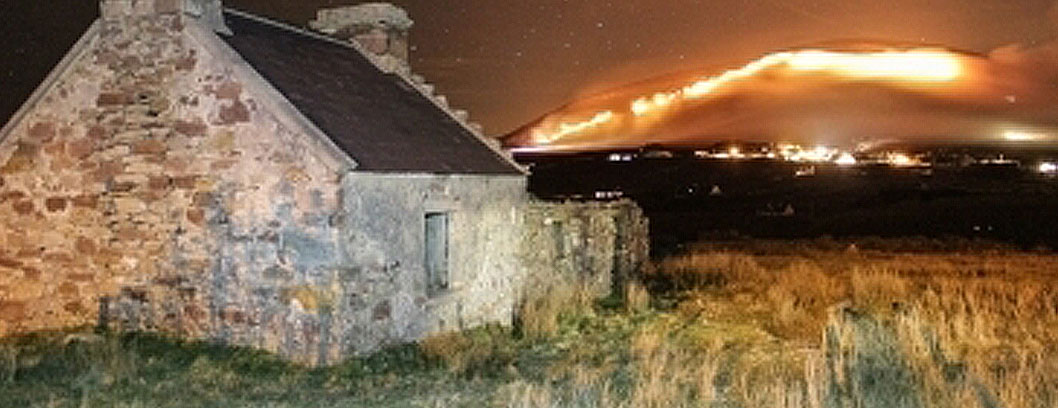
    Currently, in order to protect breeding birds, hedgecutting and the burning of vegetation in our uplands and lowland hills is prohibited between March 1st and August 31st (Closed Period), with the notable exception that hedgecutting by roads authorities to address road safety concerns is allowed at any time during this period [2]. The Heritage Bill proposes to change these laws and to allow burning in our uplands and lowland hills in March, and to loosen the current laws on roadside hedgecutting by permitting landowners to self-define road safety issues and to deal with them year round and removing the existing regulatory oversight by the Minister for Heritage[3].


    Bill will mean devastation for wildlife

    The Heritage Bill, if passed as is, will reduce the legal protection for our wildlife at a time when they need all the help they can get. It will further undermine Ireland’s so-called green image as presented in Origin Green and the Wild Atlantic Way. Over 90% of Ireland’s habitats, including those of our uplands, are in ‘bad’ or ‘inadequate’ ecological condition [4]. The BirdWatch Ireland Birds of Conservation Concern in Ireland List [5] has the highest ever number of threatened bird species since it started. A third of Ireland’s wild bees are also under threat of extinction [6]. We need to do all that we can to protect our wildlife and their habitats and not undermine the laws that protect them. Enforcement of existing wildlife protection legislation is already a concern; this Bill will create even greater difficulties for enforcement agencies.

    The proposal to permit burning of heather and gorse in our mountains and hills in March will not only further endanger birds just starting to breed, such as the iconic and globally-threatened Curlew and the declining Hen Harrier [7] [8], but will also impact bees that depend on gorse as a food source early in the Spring.


    Likewise, the removal of the regulatory oversight of the National Parks and Wildlife Service for roadside hedgecutting could create a dangerous national free for all on the cutting on roadside hedgerows and potentially seriously impact on bird species, such as the endangered Yellowhammer[9]. Hedgerows provide vital food sources for wild bees, honey bees, mammals, and butterflies they will also be negatively impacted.


    A new vision for nature conservation is urgently required

    Thousands of people around Ireland enjoy and care deeply about our wildlife. This is evident in the numbers of people attending wildlife-focused events and acting as citizen scientists undertaking biodiversity recording activities. Ireland’s wildlife is also intrinsically connected with farming and both must not only survive but thrive. A new vision for and attitude towards nature is urgently needed to halt biodiversity loss and so we can stand over the environmental credentials that we market as a country. This must begin with stopping the regressive Heritage Bill.

    Quotes:


    Oonagh Duggan, Assistant Head of Policy and Advocacy of BirdWatch Ireland, said:

    “The Heritage Bill will be disastrous for the birds of our uplands and hedgerows.”

    “There is an opportunity here for Minister Madigan to drop Sections 7 and 8 of the Heritage Bill and to set up a dialogue where all players can sit together and work out long term solutions for our uplands and hedgerows. “


    Pádraic Fogarty from the Irish Wildlife Trust said: “The government must abandon this regressive legislation which will do untold damage to already beleaguered wildlife populations. It’s high time we placed a higher value on the amazing benefits nature brings.”

    “We hope that the Minister will take note of our concerns, and the concerns of more than 31,000 Irish citizens and pull back on this legislation.”


    Elaine McGoff, Natural Environment Officer of An Taisce, said:

    “Last year thousands of hectares of mountain, hill, bog and forest habitat were destroyed during the closed season, incinerating the wildlife that cannot escape fast enough, including helpless chicks in their nests, or animals which find themselves caught between flames and fences.

    “Changes to wildlife legislation should strengthen the protection for nature, not reduce it. Unfortunately, the Government have got this one the wrong way around with the damaging Heritage Bill.”

    ENDS

    Media Contact

    Pádraic Fogarty, The Irish Wildlife Trust, irishwildlife@iwt.ie


    Endnotes

    • The Irish Wildlife Trust, An Taisce, BirdWatch Ireland, The Federation of Irish Beekeepers’ Associations and the Hedgelaying Association of Ireland launched a ‘No more slash and burn’ campaign in 2017 asking the public to sign a petition to show support for Irish wildlife by opposing the proposed changes in the Heritage Act. The petition currently has 31,043 signatures and can be accessed here: https://my.uplift.ie/petitions/no-to-more-slash-and-burn


    • Under Ireland’s existing legislation Section 40 Wildlife 1976 Act (as amended 2000):
    • It shall be an offence for a person to cut, grub, burn or otherwise destroy, during the period beginning on the 1st day of March and ending on the 31st day of August in any year, any vegetation growing on any land not then cultivated.
    • It shall be an offence for a person to cut, grub, burn or otherwise destroy any vegetation growing in any hedge or ditch during the period mentioned in paragraph (a)


    • The Heritage Bill (2016) as passed by the Seanad proposes to amend the Wildlife Act 1976 (as amended 2000) with:
      1. Section 7(1) states that the Minister may make regulations, in relation to land referred to in that section, to allow the burning of vegetation during such period or periods during the month of March of such year in such part or parts of the State as specified in the regulations
      2. Section 7(2) states that the Minister may make regulations, in relation to land referred to in that section, to allow the cutting of vegetation growing in any hedge or ditch on the roadside during the month of August of such year as is specified in the regulations
      3. Section 7(4) states that these regulations will expire after 2 years unless there is a Dáil vote to extend it and ultimate expiry date is 3 years.
      4. Section 8 disapplies Section 40(1) of the Wildlife Act removing the requirement for the issuance of a Section 70 notice by a local authority to a landowner for the ‘felling, cutting, lopping, trimming or removal of a tree, shrub, hedge or other vegetation pursuant to section 70 of the Roads Act 1993’ creating the potential for a free for all on hedgerow cutting and removal at any time of the year. This section (section 8 of the Bill) is also not subject to the 2-year clause but is indefinite.


    • This information is presented in Ireland’s Fifth National Report to the Convention on Biological Diversity by Department of Culture, Heritage and the Gaeltacht in 2014. The diagrams on page 5 show the status of habitats: https://www.cbd.int/doc/world/ie/ie-nr-05-en.pdf


  • People for Bees in Blessington

    People for Bees in Blessington

    On Saturday we were hosted by the Blessington Tidy Town group to hold a very successful talk on bees and pollination and outdoor workshop on bee monitoring and identification.
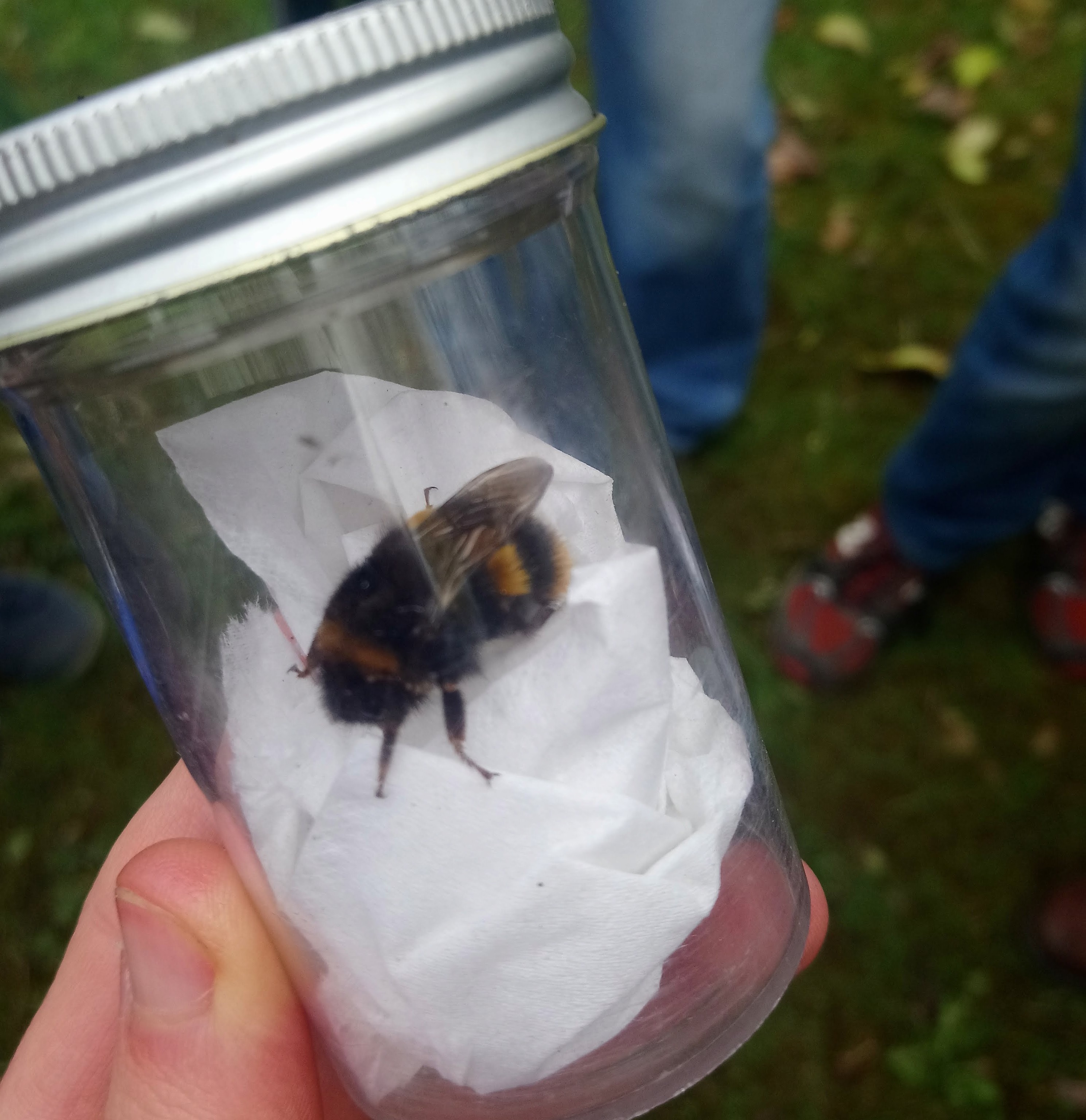
     

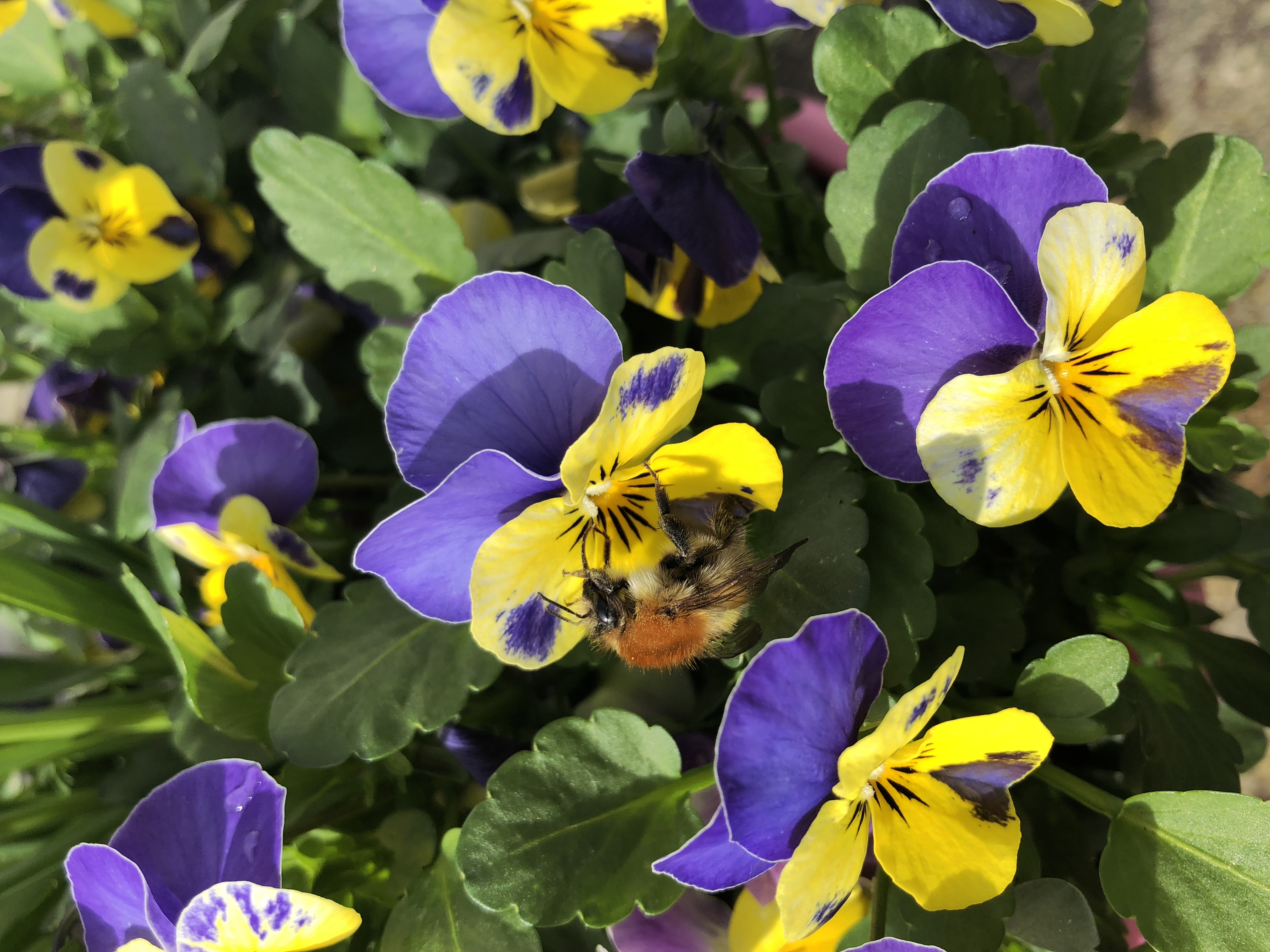
    Buff-tail Bumblebee Queen

    April has seen some spring weather arrive at long last, bringing some growth for our wildlife. It has also marked the beginning of this year’s People for Bees workshops which have happened in Roscommon, Limerick and Wicklow so far.

    It’s always so heartening to see communities really engage with protecting and monitoring their pollinators.

    This Saturday, after an informative talk, we headed out into cloudy weather to see what bumblebees we might find. Despite the weather, we netted (and released) three bumblebee queens, a sign of the improving weather, two Buff-Tails and a Common Carder.


    People for Bees in Castleconnell

    Meanwhile, last weekend we were in Ballintubber in Co Roscommon and found the bees on the heather in the graveyard.

    Then that Sunday, in Castleconnell, Co. Limerick there was another great crowd in cozy surroundings who braved damp weather to learn about bees and visited a local beekeeper.

    We hope that people who took part feel inspired to keep taking part in bumblebee monitoring and others actions from the All-Ireland Pollinator Plan.


    Common Carder Queen

    This Common Carder Bumblebee queen was spotted on the day.

    There are more People for Bees talks happening in the coming weeks, in Limerick and Cavan, and you can check our Events page to see if there is one near you.

    More information about these talks can be found on our People for Bees page.


  • PRESS RELEASE: Increasing pesticide use presents a threat to wildlife and human health

    PRESS RELEASE: Increasing pesticide use presents a threat to wildlife and human health

    PRESS RELEASE: Increasing pesticide use presents a threat to wildlife and human health

    Published on: 11 April 2018

    New figures from the Department of Agriculture, Food and the Marine show that pesticide use in Ireland continues to increase, amounting to 3,135 tonnes of active ingredient in 2016 [1]. This is an increase of 14 tonnes on the previous year, and 219 tonnes greater then in 2013 – the year in which the ‘Origin Green’ marketing initiative was launched by An Bord Bia. In fact, pesticide use has increased every year since the advertising campaign started.
    Pesticide sprays, which include herbicides, fungicides, insecticides and other industrial chemicals, are among the leading causes in the decline of pollinating insects and are implicated in a collapse of insect and invertebrate populations generally. They are also known as a pollutant in water courses – presenting not only a threat to aquatic life but also human health. A 2015 report from the Environmental Protection Agency identified pesticides as ‘a significant water quality issue’ that year [2]. This report highlighted how 61 drinking water supplies failed drinking water limits that year, a leap from 28 from the year before.

    IWT Campaign Officer, Pádraic Fogarty, says: “the ever-increasing tide of chemical sprays which are used in agriculture is driven by government expansion plans and shows that ‘Origin Green’ has been no more than marketing spin. Our natural heritage, and the healthy environment we once enjoyed, is paying a heavy price for this unsustainable trend”.

    The IWT has previously called for the Origin Green marketing campaign to be scrapped, and these new figures show that it is no more than hollow slogans – funded at great expense by the taxpayer. Irish food production could, and should, be nature-friendly, but this will require a dramatic rethink of volume-based expansion plans.  END

    [2] EPA. 2016. Drinking Water Report for Public Water Supplies in 2015.   
    CONTACT:  Padraic Fogarty – IWT’s Campaigns Officer – irishwildlife@iwt.ie for further details
  • Irish Wildlife Trust calls for payments to be made to farmers for not farming

    Irish Wildlife Trust calls for payments to be made to farmers for not farming

    PRESS RELEASE: Irish Wildlife Trust calls for payments to be made to farmers for not farming

    Date: 23rd March 2018
    As part of our submission to the future of the Common Agricultural Policy (CAP) the Irish Wildlife Trust (IWT) is calling on the government to support the ‘rewilding’ of land in certain areas by paying farmers for not farming.
    A significant driver of habitat loss under the existing CAP is the requirement for all land to be in agricultural production, regardless of whether it is suitable for this purpose. This promotes the setting of fires, drainage of wet areas and removal of emerging woodland (scrub). The IWT would therefore like to see a new measure which would allow landowners to benefit from restoring land to its natural vegetation cover (typically native woodland). Removing all grazing pressure from uplands, river corridors or low-lying areas prone to flooding or waterlogging would provide new habitat for wildlife as well as public goods such as flood alleviation, enhancing water quality, carbon storage and amenity. It is a measure which could be applied at a landscape-scale, e.g. across a mountain range, or within fields where farmers know that grass growth is poor. This type of ‘rewildling’ measure, which should be optional for land owners, has enormous potential to deliver public goods at low cost to the taxpayer.
    The IWT supports the CAP and the central principle of direct payments to farmers. We acknowledge that farming in the EU produces high quality food at affordable prices and we understand that these are critical aims which must be met alongside the protection of the environment.
    However, it must be acknowledged that the CAP has failed in this latter task. Ireland is currently undergoing an extinction crisis at a scale and breadth which has not been witnessed in human history. The National Parks and Wildlife Service (NPWS), the state agency which monitors the health of our biodiversity tells us that only 5 of 58 of our most important habitats are in ‘good’ status. Of species, a slightly better 32 of 69 are in ‘good status’. They highlight agriculture as the single biggest pressure on these habitats and species [1]. The loss of flowers and the increasing use of pesticides associated with intensive agriculture is responsible for catastrophic declines in bee populations, and one third of species are threatened with extinction. Indeed, recent studies from across Europe suggest that we have experienced a collapse of insect populations generally (although data from Ireland is lacking) with unknown repercussions for ecosystems and indeed agricultural systems. The Environmental Protection Agency (EPA) tells us that over half of our water bodies are polluted and the single biggest contributor to this is agriculture [2]. Indeed, there has been a precipitous decline in the number of ‘pristine’ water sites – from over 500 in the 1980s to just 21 today [3].
    Meanwhile, land drainage policies, driven by the expansion of available agricultural land and developed in the 1940s, have drastically altered the natural functioning of nearly all of our rivers. This has resulted in the loss of natural flood plains, contributing to the collapse of freshwater fish species like Atlantic Salmon and European Eel and creating flooding pressure in towns and cities downstream.
    In upland areas, where extensive commonage grazing is the rule, all peatland habitats are assessed by the NPWS as in ‘bad’ condition while the typical assemblage of birds characteristic of these areas (red grouse, hen harrier, merlin, ring ouzel, nightjar, curlew, golden eagle, twite and others) are threatened with extinction [4]. The routine setting of wild fires in these areas is driven by CAP eligibility requirements and has resulted in widespread damage.
    The European Commission’s public consultation on the CAP reform attracted an overwhelming response with 92% of non-farmers, and 64% of farmers, agreeing that more needs to be done to protect the environment. The Irish government must acknowledge the overriding imperative to create a CAP which can restore wildlife populations and water quality. The IWT welcomes the emphasis on greater decision-making at a local level, as different geographical locations will require different solutions. The new CAP must also be based upon measurable outcomes, giving farmers the incentive to choose the solutions which best suit their land. Previous schemes such as REPS, AEOS or the current GLAS encourage positive actions but are failing in reversing declines in wildlife populations or improving water quality.
    The Irish state has legally-binding environmental obligations to protect and restore biodiversity (Habitats and Birds Directives), water (Water Framework Directive) and to reduce greenhouse gas emissions. It is failing on all of these fronts. The impending reform of the CAP provides an opportunity to reverse this poor record while ensuring farmers’ livelihoods and maintaining a high quality of food production.
    END

    [1] NPWS. 2013. The Status of EU Protected Habitats and Species in Ireland. 2013.
    [2] EPA 2015. Water Quality in Ireland 2010-2012.
    [3] EPA. 2017. Water Quality in Ireland 2010-2015
    [4] Colhoun & Cummins. 2013. Birds of Conservation Concern in Ireland.
    CONTACT:  Padraic Fogarty – IWT’s Campaigns Officer – irishwildlife@iwt.ie for further details
  • Submit recommendations for CAP Post-2020

    Submit recommendations for CAP Post-2020

    The public has until the 23rd of March 2018 to highlight their priorities for the reformed CAP scheme post-2020. The Irish Wildlife Trust is asking members of the public to engage with this important process and to particularly highlight the need to protect the environment and biodiversity in any reformed plan.

    A submission form can be download from the Department of Agriculture website and emailed or posted back with your comments. The form is a simple document asking your name, and asking for comments under its key headings such as CAP simplification, direction payments, the environment, research and innovation, rural development and the food supply chain. A submission does not need to include points under all of these headings only whatever observations you wish to include.

    The EU Commission has published a communication on the challenges facing the Common Agricultural Policy (CAP) after 2020. A copy of that paper is available at https://www.agriculture.gov.ie/farmerschemespayments/


    The submission form is available at this link.

    In the explanatory documents provided by the department, which break down the key headings for consultation, the department highlights Ireland’s commitments to reducing carbon emissions and the potential importance of forestry on farmland for carbon capture (sequestration).

    However the document lists the current afforestation policy as an environmental gain, the IWT would advise that submissions clarify that native, biodiverse native woodlands and other high nature-value habitat types should be prioritised over single-species non-native plantation forests of sitka spruce or lodgepole pine.

    As the IWT policy on forestry states: “Native forests provide an amenity resource, filter and clean water, help prevent flooding by slowing the flow of water off land, sequester and store carbon, provide opportunities for direct income (timber, wild food foraging, tourism) and are of immense biodiversity value. Plantations, on the other hand, pollute water courses, provide no amenity or habitat value, and contribute to flooding during harvesting.”

  • Feed Wild Birds After Emma

    Feed Wild Birds After Emma

    Your garden can save lives

    During cold snaps, you will almost certainly notice more birds coming into your garden to seek sanctuary from the harsher environment in the countryside – particularly if you provide food on a regular basis. The variety of species may increase too and you may be lucky enough to attract unusual visitors such as blackcaps and bramblings.

    Finding a regular source of high-energy food such as a garden feeding station is the equivalent of winning the lottery for wild birds and a well-stocked garden is a real lifesaver.

    Birds will become dependent on the food you supply, so it is important to make sure your feeders are kept topped up to prevent them from having a wasted visit. Providing a fresh, ice-free supply of water is another cold weather essential – drinking and bathing is a vital part of the daily routine of birds.

    You may well witness a flurry of bird activity first thing in the morning – as they replenish energy lost overnight – and last thing in the afternoon – to prepare for the long night ahead.

    Bird seed mixtures

    There are different mixes for feeders and for bird tables and ground feeding. The better mixtures contain plenty of flaked maize, sunflower seeds, and peanut granules.

    Avoid seed mixtures that have split peas, beans, dried rice or lentils as again only the large species can eat them dry. These are added to some cheaper seed mixes to bulk them up. Any mixture containing green or pink lumps should also be avoided as these are dog biscuit, which can only be eaten when soaked.

    Small seeds, such as millet, attract mostly house sparrows, dunnocks, finches, reed buntings and collared doves, while flaked maize is taken readily by blackbirds. Tits and greenfinches favour peanuts and sunflower seeds. Mixes that contain chunks or whole nuts are suitable for winter feeding only. Pinhead oatmeal is excellent for many birds. Wheat and barley grains are often included in seed mixtures, but they are really only suitable for pigeons, doves and pheasants, which feed on the ground and rapidly increase in numbers, frequently deterring the smaller species.

    Black sunflower seeds

    Goldfinches by Kevin Murphy

    These are an excellent year-round food, and in many areas are even more popular than peanuts. The oil content is higher in black than striped ones, and so they are much better. Sunflower hearts (the husked kernels) are a popular no-mess food.

    Nyjer seeds

    These are small and black with a high oil content. They need a special type of seed feeder and are particular favourites with goldfinches and siskins.

    These are rich in fat and are popular with tits, greenfinches, house sparrows, nuthatches, great spotted woodpeckers and siskins.

    Peanuts

    Crushed or grated nuts attract robins, dunnocks and even wrens. Nuthatches and coal tits may hoard peanuts. Salted or dry roasted peanuts should not be used.

    Peanuts can be high in a natural toxin, which can kill birds, so buy from a reputable dealer, such as our online shop, to guarantee freedom from aflatoxin.


    Bird cake and food bars

    Fat balls and other fat-based food bars are excellent winter food.

    If they are sold in nylon mesh bags, always remove the bag before putting the fat ball out – the soft mesh can trap and injure birds.

    You can make your own bird cake by:

    • Pouring melted fat (suet or lard) onto a mixture of ingredients such as seeds, nuts, dried fruit, oatmeal, cheese and cake.
    • Use about one-third fat to two-thirds mixture. Stir well in a bowl and allow it to set in a container of your choice.
    • An empty coconut shell, plastic cup or tit bell makes an ideal bird cake ‘feeder’.
    • Alternatively, you can turn it out onto your bird table when solid.


    Live foods and other insect foods

    • Mealworms are relished by robins and blue tits, and may attract other insect-eating birds such as pied wagtails.
    • Mealworms are a natural food and can be used to feed birds throughout the year. It can become quite expensive to constantly buy mealworms, and many people want to grow their own. You can culture your own mealworms. If you cannot face this performance, buy your mealworms from the professionals, consoling yourself with the thought that successful mealworm breeding is even more difficult than it sounds. Click on the link to the right to buy mealworms from our online shop.
    • It is very important that any mealworms fed to birds are fresh. Any dead or discoloured ones must not be used as they can cause problems such as salmonella poisoning.
    • Waxworms are excellent, but expensive. Proprietary foods for insect-eating birds, such as ant pupae and insectivorous and softbill food are available from bird food suppliers and pet shops. Insect food appropriately offered can attract treecreepers and wrens.

    Fats, margarines and oils

    Coal Tit by Kevin Murphy
    • Cooking fat
      • Fat from cooking is bad for birds. The problem with cooked fat from roasting tins and dishes is that the meat juices have blended with the fat and when allowed to set, this consistency makes it prone to smearing, not good for birds’ feathers. It is a breeding ground for bacteria, so potentially bad for birds’ health. Salt levels depend on what meat is used and if any salt is added during cooking.
      • Lard and beef suet on their own are fine as they re-solidify after warming and as they are pure fat, it is not as suitable for bacteria to breed on.
    • Polyunsaturated margarines or vegetable oils
      • These are unsuitable for birds. Unlike humans, birds need high levels of saturated fat, such as raw suet and lard. They need the high energy content to keep warm in the worst of the winter weather, since their body reserves are quickly used up, particularly on cold winter nights. The soft fats can easily be smeared onto the feathers, destroying the waterproofing and insulating qualities.

    Dog and cat food

    • Meaty tinned dog and cat food form an acceptable substitute to earthworms during the warm, dry part of the summer when worms are beyond the birds’ reach. Blackbirds readily take dog food, and even feed it to their chicks.
    • Dry biscuits are not recommended as birds may choke on the hard lumps. It is sometimes added to cheaper seed mixtures for bulk. Soaked dog biscuit is excellent, except in hot weather as it quickly dries out. Petfood can attract larger birds such as magpies and gulls, and also neighbourhood cats. If this is likely to be a problem, it is best avoided.

    Milk and coconut

    • Never give milk to any bird. A bird’s gut is not designed to digest milk and it can result in serious stomach upsets, or even death. Birds can, however, digest fermented dairy products such as cheese. Mild grated cheese can be a good way of attracting robins, wrens and dunnocks.
    • Give fresh coconut only, in the shell. Rinse out any residues of the sweet coconut water from the middle of the coconut before hanging it out to prevent the build-up of black mildew.
    • Desiccated coconut should never be used as it may swell once inside a bird and cause death.

    Rice and cereals

    • Cooked rice, brown or white (without salt added) is beneficial and readily accepted by all species during severe winter weather. Uncooked rice may be eaten by birds such as pigeons, doves and pheasants but is less likely to attract other species.
    • Porridge oats must never be cooked, since this makes them glutinous and could harden around a bird’s beak. Uncooked porridge oats are readily taken by a number of bird species.


  • The Beast from the East slows spring but ban on hedgecutting and burning starts today

    The Beast from the East slows spring but ban on hedgecutting and burning starts today

    JOINT PRESS RELEASE:  BirdWatch Ireland, Federation of Irish Beekeepers Associations, Irish Wildlife Trust, Hedgelaying Association of Ireland, An Taisce.

    The Beast from the East slows spring but ban on hedgecutting and burning starts today

    Although the “Beast from the East” is doing its utmost to suggest otherwise, 1st March is the first day of spring. It also marks the first day of the closed season for scrub-burning and hedgerow-cutting. This ban is essential for the protection of the breeding birds and other wildlife of our uplands and hedgerows.

    To be clear, from the 1st March to the 31st August it is illegal to cut, burn or otherwise destroy vegetation [1], with the exception of roadside hedgerows for road safety reasons [2].

    However, the Heritage Bill [3], currently at Committee stage in the Dáil, seeks to allow the burning of upland vegetation in March and the cutting of hedgerows in August.  A coalition of conservation organisations including BirdWatch Ireland, An Taisce, the Irish Wildlife Trust, the Federation of Irish Beekeepers’ Associations and the Hedgelaying Association of Ireland are strongly opposed to this reckless bill becoming law, as it would have a devastating effect on wildlife. The coalition recommends the formation of stakeholder groups to find solutions which benefit wildlife, farmers and road users.

    The Heritage Bill would roll back 20 years of protection for our breeding birds and other wildlife at a time when they need all the help they can get. Over 90% of Ireland’s habitats, including those of our uplands, are in ‘bad’ or ‘inadequate’ ecological condition [4]. The BirdWatch Ireland Birds of Conservation Concern List [5] has designated the highest number of threatened species ever recorded in ireland. We need to do all that we can to protect our wildlife.  The organisations call on landowners, farmers, contractors and local authorities to ensure that they are in compliance with the law and to protect our vulnerable wildlife.

    Oonagh Duggan, Assistant Head of Policy and Advocacy of BirdWatch Ireland, said:

    “Last year thousands of hectares of mountain, hill, bog and forest habitat were destroyed during the closed season, incinerating the wildlife that cannot escape fast enough, including helpless chicks in their nests, or animals which find themselves caught between flames and fences. Our wildlife deserves better than this. “

    Pádraic Fogarty from the Irish Wildlife Trust said: “The government must abandon this regressive legislation which will do untold damage to already beleaguered wildlife populations. It’s high time we placed a higher value on the amazing benefits nature brings.”

    Elaine McGoff, Natural Environment Officer of An Taisce, said:

    “Changes to wildlife legislation should strengthen the protection for nature, not reduce it. Unfortunately, the Government have got this one the wrong way around with the damaging Heritage Bill.”

    Endnotes

  • Press Release: IWT calls for better legal protection for marine life

    Press Release: IWT calls for better legal protection for marine life

    Press Release: IWT calls for better legal protection for marine life

    05 February 2018

    Protecting our ocean’s wealth report
    The Irish Wildlife Trust (IWT) is calling for full legal protection for selected marine fish and invertebrates in a newly released report, entitled ‘Protecting Our Ocean’s Wealth – a proposal for legal protection of threatened marine species’.
    The protection of wildlife in Ireland falls within the Wildlife Act and since 1976 this law has listed species requiring special protections, including restrictions on hunting and the legal protection of resting places or important habitats. While this legislation includes many of our native animals (including deer, seals, badgers, pine martens, frogs, and nesting birds) and our most threatened plants, it expressly excludes the listing of marine fish and invertebrates without the blessing of the minister with responsibility for fisheries. To date no such marine creature has been afforded protection – something that is starkly out of step with our European neighbours. This is despite the fact that many marine species occurring in Irish waters are threatened with extinction.
    The new report lists 48 species of fish (including sharks and rays), crustacean, shellfish and other invertebrate animals, as well as five types of seaweed. These were chosen based on four criteria:
    ·         assessed as threatened with extinction, or near threatened by scientists (such as Basking Sharks, Porbeagle Sharks, Halibut or Turbot);
    ·         already benefiting from some legal protection under the EU’s Habitats Directive (e.g. Atlantic Salmon or Lampreys);
    ·         evidence for a marked decline in Irish waters (e.g. the purple sea urchin or the native Oyster);
    ·         or with a very localised distribution (such as the Short-snouted Seahorse and some anemones).
    Where species are commercially exploited, or the target of recreational angling, legal protection would promote the recovery of depleted populations or the designation of key areas for their conservation (e.g. through the establishment of marine protected areas – something the Irish government has already committed to). The IWT is not against the wise exploitation of marine resources but believes this must take place within a robust legal framework. The absence of such protections has led to chronic over-exploitation of certain species in the past, e.g.:
    ·         Angel sharks were once common around our coast but are now ‘critically endangered’ and have not been seen in some years.
    ·         The native oyster once spread out in vast carpets across inland bays and estuaries but now struggle for survival in a handful of depleted
                populations.
    ·         The Basking Shark is the second largest fish in the sea, but Ireland is the only country in its range where it is not legally protected.
    ·         The spiny dogfish, or spurdog, gives birth to live young and has one of the longest gestation periods in the animal world. It was once sold in
                supermarkets as ‘rock   salmon’ but a lack of management has left it endangered with extinction.
    ·         Turbot is a popular fish with diners but has suffered dramatic declines in Irish waters and is now listed as ‘vulnerable’ in the European Red List of
                Marine Fish.
    ·         Halibut, Wolf-fish and the Common Sturgeon may be extinct in Irish waters.
    ·          The Short-snouted Seahorse is known only from the coasts of Dublin, Clare, East Cork and Belfast Lough.
    IWT Campaigns Officer, Pádraic Fogarty says “marine life is under threat on many fronts, including overfishing, damaging fishing practices, and plastic pollution. Legal protection for our most threatened species will not on its own resolve these issues. But along with marine protected areas, control of supertrawlers and other measures, it is a necessary element in the path to recovery.”
    The full report is available on our website at https://iwt.ie/wp-content/uploads/2018/02/Protecting-our-ocean-wealth-Jan18.pdf   ENDS
    ​
    CONTACT:  Padraic Fogarty – IWT’s Campaigns Officer – irishwildlife@iwt.ie for further details


  • IWT welcomes overdue change in strategy in the fight against TB in cattle

    IWT welcomes overdue change in strategy in the fight against TB in cattle

    IWT welcomes overdue change in strategy in the fight against TB in cattle

    Published on: 15 January 2018

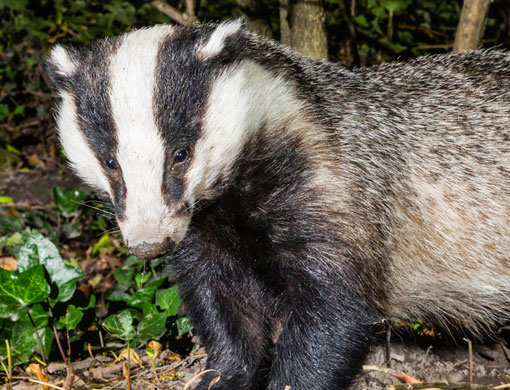
    Badger by Mike Brown
    Badger. Image: Mike Brown

    Following the announcement today by the Minister for Agriculture, Food and the Marine (DAFM), Michael Creed, that vaccination of badgers is to become an ‘integral part’ of the plan to eradicate TB in cattle[1], the Irish Wildlife Trust (IWT) would like to show its support for this long overdue shift in policy.

    The development comes 27 years after vaccination of badgers was first mooted as a possible solution in addressing the disease in that animal. In the intervening years well over 100,000 badgers have been snared and shot, while bovine TB remains high in many areas. The IWT has long believed that badgers have been unfairly blamed for a problem that was not their making, while the main source of transmission (from cattle to cattle) remains largely unaddressed. While badgers are nominally a protected species, DAFM figures show that in 2016 6,161 animals were slaughtered, including nursing mothers, leaving young to starve in their underground setts.

    IWT Campaigns Officer Pádraic Fogarty says, “by DAFM’s own admission, culling badgers on the scale we have seen over the past decades is unsustainable. It’s high time we saw the end of indiscriminate culling and especially the barbaric practice of culling during the badger breeding season. DAFM has admitted that culling is affecting the populations of badgers while oversight from the National Parks and Wildlife Service has been non-existent.”

    The IWT has campaigned since the beginning for an end to culling and while we welcome the shift towards more vaccinations of badgers, there has yet to be a recognition that the problem lies not with badgers, but cattle. Meanwhile, the killing is set to continue while quarterly TB rates in cattle for 2017 show an increase when compared with 2016. The so-called ‘TB eradication’ programme has been a costly failure, not least in the devastating impact on badgers. The IWT would like to see a firm commitment for the ending of the culling programme.

    [1] https://www.agriculture.gov.ie/press/pressreleases/2018/january/title,113880,en.html


    CONTACT:  Padraic Fogarty – IWT’s Campaigns Officer – irishwildlife@iwt.ie for further details
    Editors Notes: The Irish Wildlife Trust was founded in 1979 as a charitable conservation body. We provide the public with information about wildlife, run education and training programs like SAC Watch and the Badger Schools Programme, carry out habitat and species surveys like the IWT National Newt Survey, campaign and lobby around biodiversity issues, restore natural habitats, consult with industry, agriculture and Local Authorities to maintain our natural heritage and contribute to national and international forums for the protection of biodiversity. The IWT is a nationwide organisation with a strong membership base, staff and Board of Directors, with branches in Dublin, Longford/Westmeath, Galway, Kerry, Laois/Offaly, Waterford.
  • IWT calls on MEPs to oppose industrial-scale electrocution of marine life

    IWT calls on MEPs to oppose industrial-scale electrocution of marine life

    IWT calls on MEPs to oppose industrial-scale electrocution of marine life
    Published on: 11 January 2018
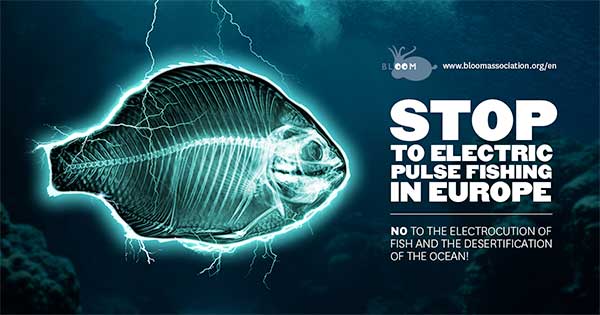
    Next week MEPs will be asked to vote on a European Commission proposal to allow so-called ‘electric pulse fishing’ to become a normal fishing practice across the EU. This practice involves dragging an electrified net across the sea floor – stunning all in its path. It is a fishing technique that is just as brutal as it sounds.
    The Irish Wildlife Trust (IWT) has joined other environmental groups and organisations representing small-scale fishers from across Europe in opposing this move. Research carried out by the French organisation ‘Bloom’ found that the decision to allow electric pulse fishing to be done on an ‘experimental’ basis went against scientific advice of the day. See http://www.bloomassociation.org/en/electric-fishing-new-revelations-on-a-european-scandal/ .
    Proponents defend the electrocution of sea life by saying it is less harmful than the dredging practices currently carried out. This is like promoting cholera because it is better than a dose of the plague.
    The history of fishing in Ireland has been one of short-term exploitation in favour of long-term management of marine resources. This has led to the drastic reduction in sea life populations and the disappearance of coastal fishers who traditionally use small boats and low-impact gear. If we want to reverse this trend we need better protections for marine life, not another step on the road to ruin.
    The IWT has written to all of  Ireland’s MEPs urging them to reinstate the original blanket ban which came into force in 1998. END
    ________________________________________________________________________________________
    CONTACT:  Padraic Fogarty – IWT’s Campaigns Officer – irishwildlife@iwt.ie for further details
    Editors Notes: The Irish Wildlife Trust was founded in 1979 as a charitable conservation body. We provide the public with information about wildlife, run education and training programs like SAC Watch and the Badger Schools Programme, carry out habitat and species surveys like the IWT National Newt Survey, campaign and lobby around biodiversity issues, restore natural habitats, consult with industry, agriculture and Local Authorities to maintain our natural heritage and contribute to national and international forums for the protection of biodiversity. The IWT is a nationwide organisation with a strong membership base, staff and Board of Directors, with branches in Dublin, Longford/Westmeath, Galway, Kerry, Laois/Offaly, Waterford.
  • Groundwork complains to the European Commission for lack of management at Killarney National Park

    Groundwork complains to the European Commission for lack of management at Killarney National Park

    Groundwork complains to the European Commission for lack of management at Killarney National Park

    Published on: 3 January 2018
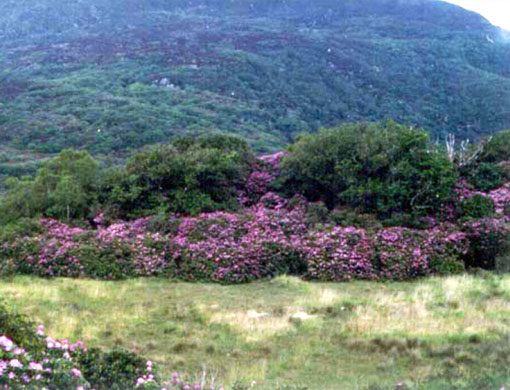
    Rhododendron-at-Killarney-National-Park
    Rhododendron at Killarney National Park. Image: Groundwork.

    Groundwork has made a formal complaint to the European Commission that the National Parks and Wildlife Service (NPWS) and Department of Culture, Heritage & the Gaeltacht (DCHG) have failed to protect the Oak woods in Killarney National Park from becoming re-infested with Rhododendron ponticum.

    Groundwork is a voluntary group which ran work camps removing Rhododendron from 1981 until 2009 in Killarney National Park, with the support of the Irish Wildlife Trust and NPWS.

    During that time, approximately 40% of the Oak woods were cleared of Rhododendron and maintained in a cleared condition by Groundwork. Our methods were scientifically proven, successful and are described in the NPWS publication, Irish Wildlife Manual No. 33.

    Rhododendron ponticum poses a significant threat to native Irish woodlands by preventing regeneration and displacing native flora.

    As a result of NPWS mismanagement, the most biologically rich areas of the Killarney Oak woods are now significantly and rapidly deteriorating, and no management plans have been implemented to address the problem. We believe this constitutes a breach of Articles 6(1) & 6(2) of the Habitats Directive.

    The last published Killarney National Park Management plan (2005-2009), was never fully implemented and its Rhododendron management objectives were ignored.

    As early as 2005, Groundwork expressed concern regarding the effectiveness of the NPWS approach to Rhododendron management. Monitoring of the Killarney Oak woods by Groundwork since 2013 has produced abundant photographic evidence that seed production has resumed in all of these woodlands and that they have now reverted to uncleared status which is a deterioration of a qualifying Annex 1 Habitat and therefore represents a breach of Article 6(2) of the Habitats Directive.

    Since 2010, NPWS has refused Groundwork’s offers of assistance in Killarney National Park.

    Using Access to information on the Environment (AIE) Regulations, Groundwork uncovered documents from both NPWS and Trinity College Dublin’s Botany Department which confirm our findings in relation to the expansion of Rhododendron in woodlands that had been previously free of infestation.

    The previous Minister of DCHG stated in 2017 that, “€700,000 has been spent eradicating Rhododendron in Killarney National Park since 2011, and €240,000 has been budgeted for this year.”

    It should be noted that Groundwork cleared and maintained c. 40% of the Killarney National Park Oak woods at a cost of under c.€20,000 a year. The model of Rhododendron clearance we pioneered and perfected over 30 years was both effective and successful. We were a successful volunteer programme which should have been used to complement clearance by Park staff and Contractors.

    The methods employed by Killarney National Park to clear Rhododendron have failed due to a lack of a systematic and scientific approach to Rhododendron clearance.

    We would hope that a decision from the European Commission would help the NPWS and DCHG implement an effective, scientifically sound Rhododendron management programme.

    Groundwork Chairperson Trevor Halpin says, “Groundwork have blown the whistle in relation to the mismanagement of Rhododendron in Killarney National Park. Unfortunately, inaction by DCHG and NPWS has allowed previously cleared woodlands to become re-infested with Rhododendron.  We call on the DCHG and NPWS to once again allow science to guide Rhododendron management in Killarney”  END

    CONTACT: Groundwork Chairperson, Trevor Halpin on 086 1706268 for more details.

  • Radical action needed to save our seas

    Radical action needed to save our seas

    Radical action needed to save our seas

    Published on: 9 December 2017

    This week sees the annual carve up of commercial fish populations by the countries of the European Union. Ireland will be represented by Minister for Agriculture, Food and the Marine, Michael Creed. A report by the New Economics Foundation found that last year Minister Creed was among the worst offenders in Europe in ignoring scientific advice which would ensure the wise exploitation of fish [1].

    Despite agreeing to ending overfishing and rebuilding depleted fish populations by 2020 progress to date has been too slow to achieve these targets. Indeed, according to the Marine Institute, more fish are overfished today than in 2016 (23% up from 20% last year). While some progress has been made (fish not overfished went from 38% to 39% over the same period), this is far too slow to have an impact and displays a disappointing lack of urgency by the Minister and his officials. As the legal deadline approaches it is becoming clear that only radical action will reverse the destruction which has been wrought on the sea.

    IWT Campaigns Officer Pádraic Fogarty says “We have to start looking at closing the sea off to bottom trawling. This method of fishing is monstrously destructive and results in appalling levels of waste. It is mostly responsible for the disappearance of marine life from our coastal waters. Unless we take this bold step it will be impossible to meet the overlapping aims of ending overfishing, ending discarding (the throwing away of unwanted bycatch) and the protection of marine wildlife.”[2]

    According to the Marine Institute nearly all the sea bed around Ireland is trawled at least once and is responsible for the decline of endangered species of skate and sharks as well as the collapse of commercially important fish such as cod, sole and whiting.

    Overfishing and habitat loss are only two pressures on our seas – as graphically depicted in the BBC TV series ‘Blue Planet’. Combined with climate change, plastic litter, acidification of the water and pollution, without drastic intervention our ocean faces a bleak future. The IWT has proposed the creation of Marine Protected Areas, better legal protection for threatened marine species and the position of independent observers on fishing boats as measures to better manage the marine environment. END


    [2] These aims are set down in the Common Fisheries Policy and the Marine Strategy Framework Directive


  • IWT welcomes expansion of Ballycroy NP

    IWT welcomes expansion of Ballycroy NP

    Irish Wildlife Trust welcomes the expansion of Ballycroy National Park

     Published on: 2 December 2017

    Ballycroy-National-Park-01
    Ballycroy National Park (photo ballycroynationalpark.ie)

    The Irish Wildlife Trust (IWT) warmly welcomes the announcement by the new Minister for Culture, Heritage and the Gaeltacht, Josepha Madigan, that Ballycroy National Park in Co. Mayo is to be significantly expanded. This creates an enormous opportunity to enhance habitats for wild plants and animals while boosting local engagement with the natural environment. The IWT particularly welcomes the commitment from the Minister that the National Park will be managed to “the highest standards of nature conservation”[1]. Although declared a National Park as long ago as 1998, a management plan has never been prepared for Ballycroy. Indeed, none of the six National Parks in Ireland are conserved under current management plans and only for two (Killarney NP and Wicklow Mountains NP) were any plans ever prepared (both of which are now long out of date).

    The announcement follows welcome commitments from Minister Madigan’s predecessor in the recently-published third National Biodiversity Action Plan 2017-2021 to “Manage National Parks and Nature Reserves to a high standard” and to “Publish legislation to provide a legal basis for National Parks”[2] (an action which also appeared in the first (2002) and second (2011) Biodiversity Action Plans).

    IWT Campaigns Officer Pádraic Fogarty says “It’s really great to see our National Park system expanded in this way, something which affords amazing opportunities for both people and wildlife. However, to realise these opportunities announcements must be backed up by investment and management. The National Parks and Wildlife Service is currently chronically underfunded, being awarded only €13.5 million in 2015 (the most recent available figures). When compared to the fact that taxpayers gave the ‘horse and greyhound racing fund’ a whopping €74 million in 2016 it unfortunately shows the low priority given to our natural environment.”

    The so-called ‘Wild Nephin wilderness’ project was launched in 2013. As part of this the state forestry company, Coillte, promised to cease forestry operations and return the land to nature. However, this did not happen and business as usual continued. Sometimes in Ireland the ministerial press release signals the culmination of initiatives and not the beginning. The IWT hopes that statements on the newly expanded Ballycroy National Park do not follow the same pattern. END

    Contact: Padraic Fogarty – IWT Campaigns Officer at irishwildlife@iwt.ie

    [1] https://www.chg.gov.ie/minister-ring-and-minister-madigan-announce-expansion-of-ballycroy-national-park/

    [2] https://www.npws.ie/sites/default/files/publications/pdf/National%20Biodiversity%20Action%20Plan%20English.pdf

  • Submission on final proposals for fishing opportunities for 2018

    Submission on final proposals for fishing opportunities for 2018

    Re: Submission on final proposals for fishing opportunities for 2018

    The Irish Wildlife Trust (IWT) is an Irish non-profit organisation concerned with the conservation of Ireland’s biodiversity. As an island nation our marine and fisheries resource is a vital component of our natural and cultural heritage. Its sustainable use is therefore an essential element in preserving our rich biodiversity as well as our economic well-being. Article 2(2) of the Common Fisheries Policy Regulation states that “the CFP shall apply the precautionary approach to fisheries management, and shall aim to ensure that exploitation of living marine biological resources restores and maintains populations of harvested species above levels which can produce the maximum sustainable yield” (my emphasis). Allowing fish stocks to grow beyond their current levels is an essential component of building fisheries for long-term exploitation as well as repairing damaged marine ecosystems.

    To meet these targets it is essential that the Irish government takes a strong position in adhering to scientific advice across all stocks.

    The IWT has particular concerns with regard to the continued overexploitation of sea fish and other marine life in Irish waters. In particular, the continued widespread use of bottom trawling is linked with the destruction of marine habitats, reduction in biodiversity and gargantuan levels of waste through ‘discarding’. The IWT believes that bottom trawling is incompatible with meeting the aims of ending overfishing (due to its indiscriminate nature), ending discarding (as it is impossible to avoid unwanted bycatch) and protecting the marine environment as enshrined in the Marine Strategy Framework Directive (MSFD). The IWT would like to see greater scientific investigation, through the Marine Institute, of the potential benefits of ending bottom trawling along with the creation of large Marine Protected Areas (as required under the MSFD).

    The IWT acknowledges the short term social impacts of following scientific advice, and in particular implementing the cuts proposed by ICES for 2018. Last year, Bord Iasciagh Mhara, in their Sustainability Impact Assessment (SIA), suggested that following scientific advice would result in the loss of “350-400 full and part time jobs either through reduced incomes, partial lay-offs or redundancies”. The supporting evidence for these figures is not presented. Assuming these calculations are accurate however – the SIA completely ignores the positive effect on employment through ending overfishing and rebuilding fish populations. Any SIA which fails to balance the short term negative effects with the long-term positive effects is failing to present a full and accurate analysis. This is something which needs to be corrected.

    The Commission advice is proposing a TAC of 292 tonnes for cod in the Irish Sea for 2018. This is the first time since 2004 that catch advice from ICES has been greater than zero. Such a proposed increase, from a state of ‘collapse’ only a year ago, is contrary to the precautionary principle. ICES itself highlighted that the increase in population – welcome as it is – is due to a very successful single year class, and that numbers are likely to decrease even with no increase in TAC. To increase the TAC this year is therefore irresponsible.

    Yours sincerely,

    Pádraic Fogarty – IWT Campaigns Officer

    21st November 2017


  • IWT calls for ban on industrial electrofishing

    IWT calls for ban on industrial electrofishing

    Irish Wildlife Trust calls on European Parliament Fisheries Committee to prohibit industrial electrofishing

    Published on: 20 November 2017

    Electric pulse fishingTomorrow (Tuesday November 21st) the European Parliament fisheries committee is to decide whether to allow so-called ‘electric pulse’ fishing to be considered ‘conventional’, a move which would allow Member States to licence it like any other type of fishing. ‘Pulse fishing’ is another term for the industrial electrocution of marine life and is just as environmentally destructive as it sounds. The Irish Wildlife Trust (IWT) is urging the committee’s members, which includes Ireland’s Liadh Ní Riada (Sinn Fein), to resist any such move.

    The development of industrial electrocution of marine life is a further indicator of chronic overfishing of our waters, which requires ever more destructive modes of capture to target what’s left of fish and invertebrate populations for commercial exploitation.

    The IWT’s Campaigns Officer, Pádraic Fogarty says “decades of overfishing, and especially bottom trawling, has left the seas around Ireland in a state of ecological collapse. We urgently need to rebuild these ecosystems by creating marine protected areas which would prohibit all harmful fishing methods. The idea that instead there may be a move towards electrocution of the little that remains is horrifying.”  END
    CONTACT:  Padraic Fogarty – IWT’s Campaigns Officer – irishwildlife@iwt.ie for further details.
    Sign the Petition to stop electric pulse fishing in Europe:
    Link to Petition to stop electric pulse fishing
  • Shark Attack

    Shark Attack

    Shark Attack

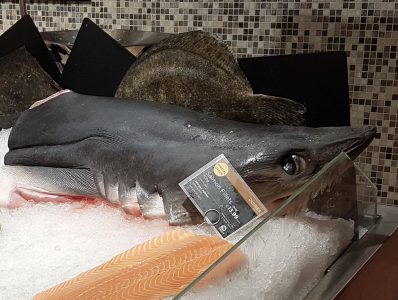
    Last September a member of the public sent us this image of a critically endangered porbeagle shark at the fishmongers counter in Dunnes Stores Cornelscourt in Dublin. This, in itself, is not illegal however it is illegal to target the species or land it. We understand that no money changed hands at any stage. At the time the IWT complained to the supermarket and the Sea Fisheries Protection Authority (SFPA). The SFPA investigated but were unable to bring charges (the source was identified but the person claimed the fish was found dead). The supermarket – which this week won a seafood industry award – apologised, claiming not to have known what type of shark it was or the regulations relating to it.
    The incident exposes the poor levels of protection afforded our most threatened sealife. Marine fish and invertebrates are explicitly defined in the Wildlife Act as not being wildlife and no species is listed for protection.
    The IWT also believes that supermarkets and fishmongers need to do more in highlighting the link between seafood and the poor state of our marine environment. Responsible fishmongers should not sell or display endangered species.
  • Irish Wildlife Trust calls on Minister Michael Creed to end destructive ‘pair-trawling’ in coastal waters

    Irish Wildlife Trust calls on Minister Michael Creed to end destructive ‘pair-trawling’ in coastal waters

    Irish Wildlife Trust calls on Minister Michael Creed to end destructive ‘pair-trawling’ in coastal waters

    Published on: 14 November 2017
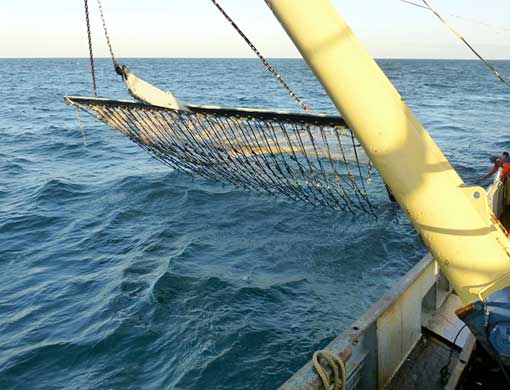
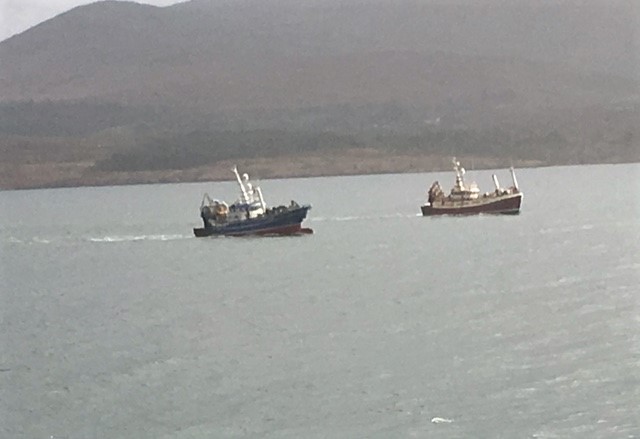
    The Irish Wildlife Trust (IWT) is once again receiving reports from the south-west that destructive ‘pair trawling’ is underway in shallow bays and inlets. Pair-trawling is the practice whereby two boats drag a single net, effectively sieving all marine life from the water column. This type of fishing, which typically involves the use of a small mesh, targets small fish, particularly sprat. Sprat may be small but are high in energy and gather in large shoals. While very little is known about the biology or population size of the sprat, it is well known that these small fish are food for much of the marine ecosystem – including whales and dolphins, seals, seabirds and larger fish. Keeping sprat in the water is essential if we are to protect the wider health of our seas.
    Pair trawling in Irish Coastal Waters

    IWT Campaigns Officer Pádraic Fogarty says “pair trawling is just one example of destructive fishing practices that are allowed in Irish waters. If we are serious about protecting the marine environment it should be banned outright in coastal areas. It’s mad that such damaging practices are not only allowed but are totally unregulated.”

    Pair-trawling is known to have taken place in the mouth of the River Shannon (Counties Clare and Limerick) and Kenmare Bay (Co. Kerry), both so-called Special Areas of Conservation. The IWT is calling on Minister for Agriculture, Food and the Marine Michael Creed to ban the practice.  Due to the harmful environmental impacts pair trawling has been banned in UK waters since 2005.
    CONTACT:  Padraic Fogarty – IWT’s Campaigns Officer – irishwildlife@iwt.ie for further details
  • Time to scrap ‘Origin Green’ as certified companies found to be among the country’s worst polluters

    Time to scrap ‘Origin Green’ as certified companies found to be among the country’s worst polluters

    Time to scrap ‘Origin Green’ as certified companies found to be among the country’s worst polluters

    Published on: 19 October 2017

    The Irish Wildlife Trust (IWT) is calling on the government to scrap its ‘Origin Green’ certification programme as it has transpired that some of the country’s worst polluters are among those certified by the scheme. In its quarterly ‘name and shame’ list of worst performers, the Environmental Protection Agency has listed three companies from the dairy sector which scored highly under the categories of complaints, incidents, compliance investigations and non-compliances.

    These are: Arrabawn Co-Op, Carbery Food Ingredients, and Dairy Gold Co-op (see http://www.epa.ie/enforcement/nationalprioritysites/).  


    ‘Origin Green’ is a marketing label promoted by An Bord Bia which claims to be the ‘world’s first national food sustainability programme’. It was recently in receipt of €1 million in tax-payers’ money for a national advertising programme. The agri-food sector in Ireland is the principle pressure on water pollution, habitat loss and greenhouse gas emissions in Ireland.


    IWT Campaigns Officer, Pádraic Fogarty says “it is time that Origin Green was exposed for the sham that it is and should be scrapped. Instead of being a tool to promote better environmental performance it is simply a smokescreen for ‘greenwashing’ the significant environmental problems which we face. The imminent extinction of the Curlew, for instance, can be directly linked to Fine Gael’s massive agricultural expansion programmes, something which Origin Green does nothing to address.”


    Figures from the Department of Agriculture, Food, and the Marine show that in 2016 An Bord Bia received €32,492,000 in public money for the marketing of Irish food, something which leans heavily on our supposedly ‘green’ credentials. The National Parks and Wildlife Service (NPWS), the body which manages our natural heritage meanwhile, received only €13,522,000 in 2015 (the most recent year for which a figure is available). If the aspiration of environmentally sensitive agriculture is to be realised, the NPWS must be fully funded and organised in such a way that it can fulfill its duties. Marketing initiatives, such as Origin Green, significantly hinder efforts at environmental protection by creating the false impression that all is well in the countryside.

    END
    CONTACT:  Padraic Fogarty – IWT’s Campaigns Officer – irishwildlife@iwt.ie  for further details
  • IWT condemns Athlone Municipal District Council’s call for Pine Marten cull

    IWT condemns Athlone Municipal District Council’s call for Pine Marten cull

    Published on: 19 October 2017

    The Irish Wildlife Trust (IWT) condemns the call by Athlone Municipal District Council to de-list the Pine Marten as a protected species. The Pine Marten is a cat-sized carnivore which feeds predominantly on berries and invertebrates. Having been nearly wiped out during the 20th century, its return to nearly every county in Ireland is one of our great conservation success stories. This success should be celebrated and it is unfortunate that some see our natural heritage as little more than vermin which must be ‘controlled’. There is currently no good reason to remove protection for the Pine Marten.
    IWT Campaigns Officer, Pádraic Fogarty says: “at a time when wildlife across Ireland is under such tremendous pressure it is sad and dismaying that such little tolerance is being shown by the members of Athlone Municipal District Council. We cannot have a situation where shooting our wildlife is out of control to the detriment of long-term conservation. The Pine Marten is not only a beautiful animal but an important part of countryside ecosystems.”
    The IWT will continue to resist any move to weaken legal protections for the Pine Marten.
    END

    CONTACT:  Padraic Fogarty – IWT’s Campaigns Officer – irishwildlife@iwt.ie for further details

  • 97 illegal wild fires recorded across Ireland in 2017

    97 illegal wild fires recorded across Ireland in 2017

    PRESS RELEASE: IWT complains to the European Commission after 97 illegal wildfires recorded across Ireland in 2017

    Published on: 12 September 2017
    The Irish Wildlife Trust (IWT) has formally complained to the European Commission (EC) that the Irish government is failing in its duty under the Birds and Habitats Directives to protect threatened wildlife in our uplands and hills. The IWT presented to the EC a table of 97 illegal wildfires between the 24th of March and the 22nd of May 2017 from 19 counties in the republic (Kerry, Cork, Mayo, Galway, Waterford, Wicklow, Donegal, Louth, Carlow, Limerick, Wexford, Dublin, Tipperary, Sligo, Roscommon, Kildare, Cavan, Monaghan and Leitrim). 39 of these (40%) were within sites designated under the Natura 2000 network (Special Areas of Conservation or Special Protection Areas under the EU’s Habitats/Birds Directive). These include Killarney National Park, Wicklow Mountains National Park, Connemara, Mount Leinster in Carlow/Wexford, Mount Brandon in Kerry and the Ox Mountains in Sligo. These areas are affected annually by wildfires and no action has been taken by the government to prevent them. As a result, all of the habitats of our hills were assessed by the National Parks and Wildlife Service as being in ‘bad’ condition while once common upland birds such as Curlew, Golden Eagle, Ring Ouzel, Nightjar, Twite and Hen Harrier are threatened with extinction.
    Policy measures which would dramatically reduce the levels of fires include removing the requirement for farmers in uplands to have vegetation at ‘grazable height’ (something that is difficult to achieve without recourse to fire), designing new eligibility criteria which include options for rewilding the land, high nature value farming, or sustainable grazing systems with re-establishment of native woodlands. Specific management plans for all Special Areas of Conservation and Special Protection Areas should be produced which sets out how our uplands can be restored. This should include removal/replacement of plantations of non-native coniferous trees.
    IWT Campaign Officer Pádraic Fogarty says: “Irish mountains have suffered an ecological catastrophe over the past 50 years. They are no longer the beautiful, wildlife-rich places they once were. Landscapes and nature have been replaced with scorched land and plantations – which contribute to carbon emissions, pollution, erosion, flooding, loss of scenic value and livelihoods. This has happened not because of lack of resources or uncertain science – but a lack of political will “.
    A table showing the locations of the illegal wildfires we recorded this year is available via the link below. The IWT wants to thank all those who helped us compile this data by sending us the details of fires in their area. Politicians must act fast if we are to avoid a repeat of the destructive infernos which were witnessed this year.
    This Thursday (Sept 14th), Pádraic Fogarty will give a free talk at the Brockagh Resource Centre, Laragh, County Wicklow at 7:30pm where he will discuss his book ‘Whittled Away – Ireland’s Vanishing Nature’ and how we can bring nature back to the hills of Wicklow.
    END
    CONTACT:  Padraic Fogarty – IWT’s Campaigns Officer – irishwildlife@iwt.ie  for further details
  • Early signs of recovery in Irish Sea Cod welcomed

    Early signs of recovery in Irish Sea Cod welcomed

    PRESS RELEASE: Early signs of recovery in Irish Sea cod welcomed by IWT but it’s still too early for celebration

     Published on: 31 July 2017 

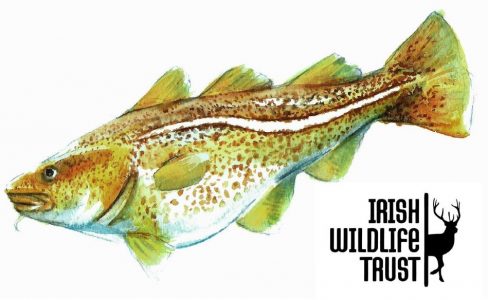
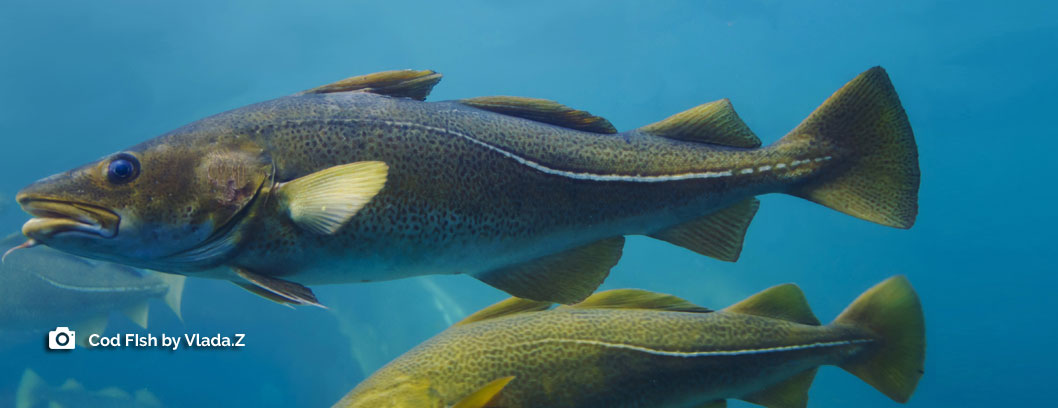
    The Irish Wildlife Trust (IWT) welcomes news that cod in the Irish sea is beginning to recover after decades of overfishing. Only last year the status of cod in this area was officially ‘collapsed’ while every year since 2004 scientists have recommended that no fish at all be caught (advice which has routinely been ignored). In 2009 there were believed to be only 863 tonnes of cod left in the Irish Sea, plummeting from a high of nearly 18,000 tonnes in the mid-1970s[i]. The latest scientific data shows that there are now over 11,000 tonnes indicating early signs of recovery and new advice is that over 1,000 tonnes can be caught ‘sustainably’. However, caution is required as most of the fish were found to have spawned in 2013, with much lower spawning in subsequent years, meaning that the size of the stock is predicted to fall. Since cod can live to be over 15 years, and grow to at least 1.5m, the vast majority of fish in the Irish Sea today are still juveniles. While any increase in the population is welcome news, it is still far too early to reopen directed fisheries.

    IWT Campaign Officer Pádraic Fogarty says: “The Irish Sea has been so overfished that it is an ecological wreck compared to its former abundance. While it is welcome news that the cod population is increasing, we must not overlook the fact that fish stocks in this sea are at historical lows, with many species having crashed in numbers or disappeared completely (e.g. whiting, sole, sea bass, skates, sharks etc). Much of this damage has occurred because of the extent of bottom trawling and only when large areas of the sea are closed permanently to this damaging practice will we see real recovery”.

    The IWT continues to urge Ministers Michael Creed (Agriculture, Food and the Marine) and Eoghan Murphy (Environment) to implement existing agreements to end overfishing and create Marine Protected Areas that would protect our seas from damaging fishing practices.

    __________

    [1]According to the International Council for the Exploration of the Seas (see www.ices.dk).

    CONTACT:  Padraic Fogarty – IWT’s Campaigns Officer – irishwildlife@iwt.ie for further details

  • Support of hare coursing ban

    Support of hare coursing ban

    PRESS RELEASE: Irish Wildlife Trust calls on public to contact TDs in support of hare coursing ban

    Published on: 27 June 2017

    The Irish Wildlife Trust (IWT) is fully behind the private members’ Bill brought forward by Maureen O’Sullivan to ban hare coursing in Ireland and is urging people to make their voices heard.
    The Irish hare is a unique sub-species of mountain hare which is endemic to this island. That they can still legally be trapped in their thousands and chased around a field by dogs is a national embarrassment.
    IWT Campaign Officer Pádraic Fogarty says “hare coursing belongs in the same macabre gallery as badger baiting or cock fighting – Irish politicians should be embarrassed that it is still allowed to continue. This Thursday the Irish people have an opportunity to make their voices heard, and should contact their local politicians to let them know this is not an acceptable activity in a modern country.”

    CONTACT:  Padraic Fogarty – IWT’s Campaigns Officer – 087 2959811 for further details.  END

    Editors Notes: The Irish Wildlife Trust was founded in 1979 as a charitable conservation body. We provide the public with information about wildlife, run education and training programs like SAC Watch and the Badger Schools Programme, carry out habitat and species surveys like the IWT National Newt Survey, campaign and lobby around biodiversity issues, restore natural habitats, consult with industry, agriculture and Local Authorities to maintain our natural heritage and contribute to national and international forums for the protection of biodiversity. The IWT is a nationwide organisation with a strong membership base, staff and Board of Directors, with branches in Dublin, Cavan, Longford/Westmeath, Galway, Kerry, Laois/Offaly, Waterford and Cork.
  • Cut out herbicide use

    Cut out herbicide use

    PRESS RELEASE: Irish Wildlife Trust calls on local authorities and members of the public to cut out herbicide use

     Published on: 17 June 2017
    This summer, the Irish Wildlife Trust (IWT) is urging the local authorities and members of the public to avoid the use of harmful herbicides and weed-killers, particularly on our roadsides. The casual use of noxious chemicals in public areas seems to be commonplace across the Irish countryside and this leaves unsightly dead vegetation as well as harming important habitats for wild flowers and pollinating insects. In fact, the use of chemical sprays is implicated as one of the main drivers in the extinction of pollinators, such as bees.  According to the all-Ireland Pollinator Plan, published by the National Biodiversity Data Centre, half of Ireland’s bee species have undergone ‘substantial declines’ since 1980 while a third of species are now threatened with extinction.
    Data from the Department of Agriculture, Food and the Marine shows that sales of pesticides and herbicides has steadily increased in recent years, to 3,121 tonnes of active ingredient in 2015 (an increase of 7% on similar figures from 2013). The Environmental Protection Agency highlighted the issue of pesticide residues in water courses and drinking water supplies stating that it is an issue which “has emerged as a significant water quality issue in 2015”. Their data showed that 61 drinking water supplies failed the concentration limits in 2015, a startling jump from 28 only a year earlier.[i]
    The IWT would like to see tighter regulation on the use of herbicides and pesticides which would prohibit ‘over the counter’ sales.
    Pádraic Fogarty, IWT Campaigns Officer, says “Hedgerows and roadside verges are among the few remaining habitats left in Ireland for wildlife, it is heart breaking to see so many of them sprayed with chemicals every summer – frequently for little apparent reason.”  
    While most chemical use is for agricultural purposes unregulated spraying for everyday garden and public landscaping use is a significant blight on otherwise beautiful, and flower rich, roadsides. Herbicides are essential in the fight against alien invasive plant species, such as Japanese Knotweed or Rhododendron, and for this reason we are opposed to a blanket ban.

    [i] EPA. 2016. Drinking Water Report for Public Water Supplies in 2015.   END.
    CONTACT:  Padraic Fogarty – IWT’s Campaigns Officer – irishwildlife@iwt.ie for further details
  • New UNESCO status for Killarney National Park

    New UNESCO status for Killarney National Park

    PRESS RELEASE

    9th June 2017

    Irish Wildlife Trust opposes new UNESCO status for Killarney National Park

    PRESS RELEASE: Irish Wildlife Trust opposes new UNESCO status for Killarney National Park
    Since 1982 Killarney National Park has been a UNESCO ‘biosphere’ reserve which, according to the world body “promotes solutions reconciling the conservation of biodiversity with its sustainable use”[i]. In December last year the Irish Wildlife Trust (IWT) complained to UNESCO after we discovered that contrary to their requirements the National Parks and Wildlife Service (NPWS), managers of Killarney National Park, had never submitted a ‘periodic review’ of the reserve status. We felt this was more than just a bureaucratic matter as the failure to submit such reviews meant that the Park could continue to use the UNESCO label as a marketing tool while ignoring the many and existential threats to this most precious place. We asked UNESCO to withdraw the ‘biosphere’ designation and to ask the NPWS to submit a new application.
    For many years the IWT, and our partners Groundwork, have had serious concerns regarding the management of Killarney National Park in Co. Kerry.
    In May, the IWT learned that a new biosphere application was being submitted and that a new ‘Kerry Biosphere’ is planned that would encompass not only the National Park but large areas of theMacGillycuddy’s Reeks mountains – all of which are located within a Special Area of Conservation. However, the IWT has serious concerns about how this process is being undertaken – particularly as no public consultation is being carried out and no application document is being made available to us to review as part of this new application. We strongly support the idea of a UNESCO ‘Kerry Biosphere’ that recognises excellence in landscape management for people and wildlife. However, we do not want another branding exercise that will grant the award before we can have confidence that the major problems (over-grazing and lack of regeneration in the forest, hillside burning, invasive species, mismanagement of the native Red Deer population among them) are being earnestly addressed. For now, we have written to UNESCO firmly opposing the granting of a new ‘biosphere’ status in advance of these developments.
    IWT Campaigns Officer Pádraic Fogarty says: “Killarney National Park and its surrounds is a very special place locally, nationally and internationally. Unfortunately, in Ireland we have too much experience of ‘greenwashing’ – where an environmental label is applied without any meaningful conservation actions to back it up. We don’t want to see this happening in Killarney and so, for now, we must oppose any new UNESCO designation.”
    The UNECO Man and Biosphere Council meets in June to make their decision.

    END
    CONTACT:  Padraic Fogarty – IWT’s Campaigns Officer – irishwildlife@iwt.ie  for further details

  • Illegal dumping

    Illegal dumping

    Press Release: Illegal dumping and mechanical turf extraction again found in Glenveagh National Park

    Published on: 31 May 2017

    The Irish Wildlife Trust (IWT) has made a complaint to the EPA and Donegal County Council in relation to illegal dumping in Glenveagh National Park. Over the weekend a large quantity of builder’s rubble was found in a small woodland across the road from the main entrance to the park. In another location what we believe to be asbestos was found along a bog track. In addition to dumping it was also seen that mechanical turf extraction using so-called ‘sausage machines’ continues to take place over large areas inside the National Park in contravention of the National Peatland Strategy. In an area just outside the park, but inside a wider ‘Special Area of Conservation’ new turf banks could be seen alongside the corpses of dead animals. This is also in contravention of national policy and an illegal activity. It is hard to exaggerate the damage that is being done to protected habitats and one of Donegal’s most important tourist attractions.
    In 2013 the IWT revealed similar activities including illegal dumping and turf-extraction inside the National Park.
    IWT Campaigns Officer Pádraic Fogarty says: “It’s quite astonishing for this activity to be happening anywhere but to see it inside one of our National Parks is particularly distressing. The fact that this seems to be an on-going feature suggests that serious questions need to be asked of the National Parks and Wildlife Service and park management.”    END

    CONTACT:  Padraic Fogarty – IWT’s Campaigns Officer – irishwildlife@iwt.ie

  • IWT Biodiversity Week Events

    IWT Biodiversity Week Events

    We are celebrating National Biodiversity Week from 19th to 28th May.

    All the events are free of charge and open to all.

    Join us at one of the events to explore the outdoors and learn about our fantastic biodiversiy.

    National Biodiversity Week Events

    20 May: Miniature Wildlife in the National Botanic Garden – Co Dublin

    24 May: Urban Otter Survey & Talk, Galway City – Co Galway

    24 May: Urban Biodiversity After Dark in Dublin – Co Dublin

    25 May: Ballyseedy Woods Nocturnal Bat Walk – Co Kerry

    27 May: Biodiversity Trek at Lough Boora Parkland – Co Offaly

    27 May: Grand Canal Biodiversity Walking Tour, Walk, Explore, Enjoy – Co Dublin

    27 May: Explore the Shore. A closer look at rocky shore biodiversity – Co Waterford

    27 May: Nass Canal Walk – Co Kildare

    28 May: Coastal Biodiversity Walk at The Wicklow Murrough – Co Wicklow